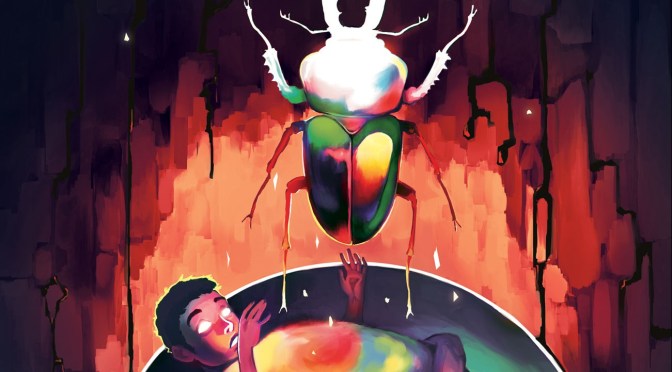
 While I’m not a regular reader of magazines, I have become absolutely hooked on the various Destroy SF projects of the last couple of years. October’s Nightmare Magazine special issue, Queers Destroy Horror was another great entry into the series.
The surprise for me in reading this issue, though, was that I found myself less enchanted with the fiction this time around and much more interested in non-fiction pieces, most of which were excellent. Sigrid Ellis’s powerful piece about her complicated relationship with the works of Stephen King, “The Language of Hate” is worth the $2.99 I paid for the issue all by itself. The same could be said for Lucy A. Snyder’s “The H Word: A Good Story” and Michael Matheson’s “Effecting Change and Subversion Through Slush Pile Politics.”
The roundtable discussion and the author spotlights as well were particularly excellent in this issue, although I do find it a little disingenuous how often some version of the phrase ‘I don’t think of myself as a [identity] author” appeared. I know that identity issues are complicated (I’ve got my own, thanks), but still. I just find it a little cliché, this coyness about how one’s identity informs one’s work, and I sometimes think that it gets in the way of more useful insights. That said, there are still plenty of interesting things being said here.
While the non-fiction sections of this issue were superb, that’s not to say there was no good fiction, either. Matthew Bright’s Dorian Gray tale, “Golden Hair, Red Lips,” was a great way to kick off the issue, and I loved Alyssa Wong’s story, “Hungry Daughters of Starving Mothers.” My favorite of the short stories, though, was “Dispatches from a Hole in the World” by Sunny Moraine. It’s a wonderfully dark and atmospheric story, as well as a delightfully inventive and timely piece whose specific subject matter works perfectly to place it in a particular time and space and address a particular community. I loved it, although I expect that those less interested in or connected to the goings on of the internet may not quite “get it.”
While most other entries in the Destroy SF catalog include flash fiction, Queers Destroy Horror opted for poetry instead. Unfortunately, I’m not terribly into poetry as a general rule, but I did enjoy Lisa M. Bradley’s “The Skin Walker’s Wife” and Amal El-Mohtar’s Snow White-inspired poem, “No Poisoned Comb.” When I do like poetry, I usually prefer these sort of narrative pieces, and these two really hit the spot.
As always, I highly recommend checking out all of the Destroy SF material. I don’t know that I’d say there’s something for everyone, but it’s a great project that consistently turns out high quality collections of work that puts a spotlight on ordinarily marginalized voices in genre literature. It’s great stuff, and it’s not too late to buy this issue.
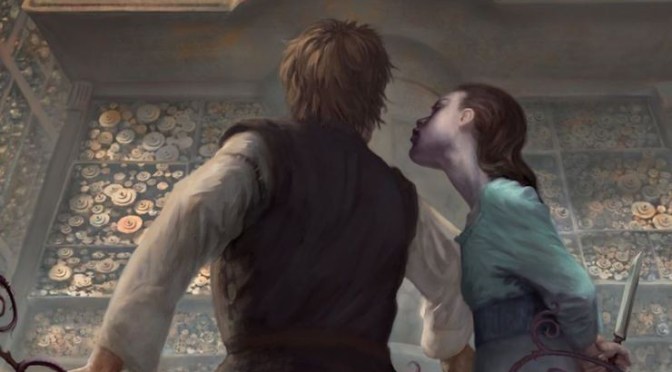
 The Last Witness is decidedly not my kind of book. If I wasn’t making a point of reading all of the Tor.com novellas in publication order, I would never have picked this one out based just upon its back cover copy. Needless to say, I’m glad that I’m working on this reading project, because I would be sad to have missed this little gem of a story.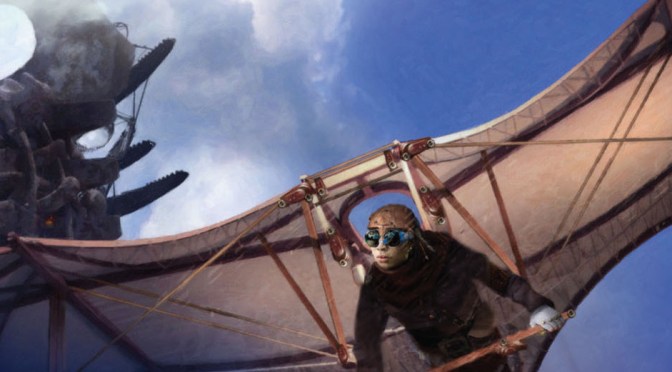
 Updraft is an exciting, inventive debut novel with a delightful protagonist and a unique and totally unexpected setting. I often think that authors have to pick and choose where they want to do things that are new and fresh and different, and Fran Wilde has chosen really well here by writing a relatively pedestrian story in a fascinating new fantasy world.
 The Traitor Baru Cormorant is a technically superb and compulsively readable novel that might also be the most frustrating thing I’ve read this year. It’s a book that comes very close to greatness only to fail so slightly, yet so completely, that it’s actually pretty impressive.
 If possible, I think I love Rat Queens even more now than I did after finishing Volume 1. Volume 2 addressed the few quibbles I had with the first collection, and the Braga special issue tells the story of one of my favorite secondary characters from the comic.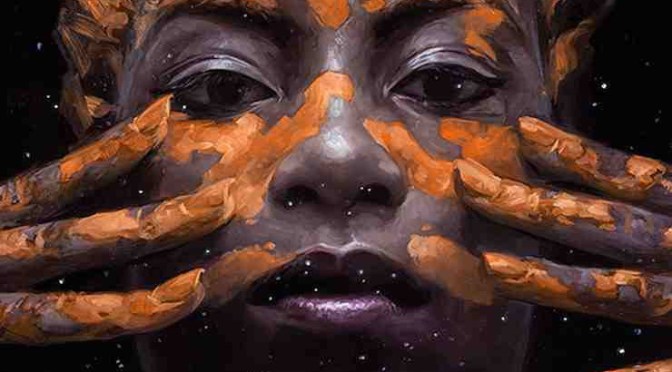
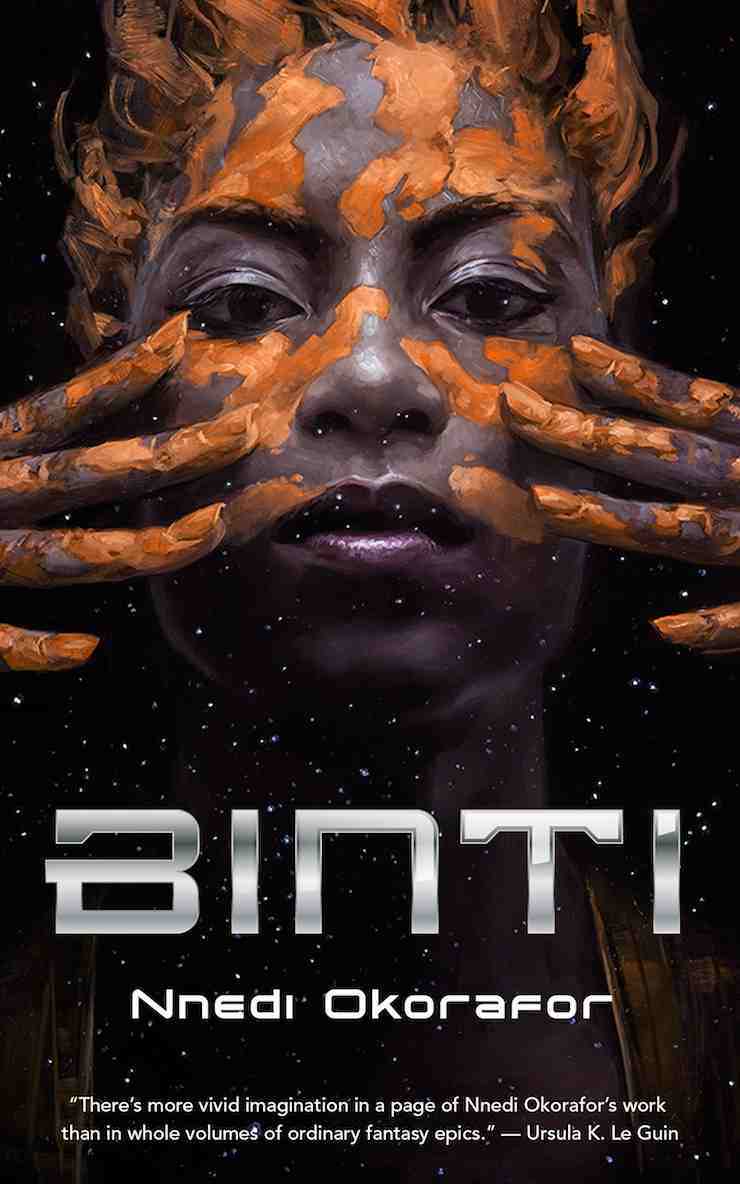

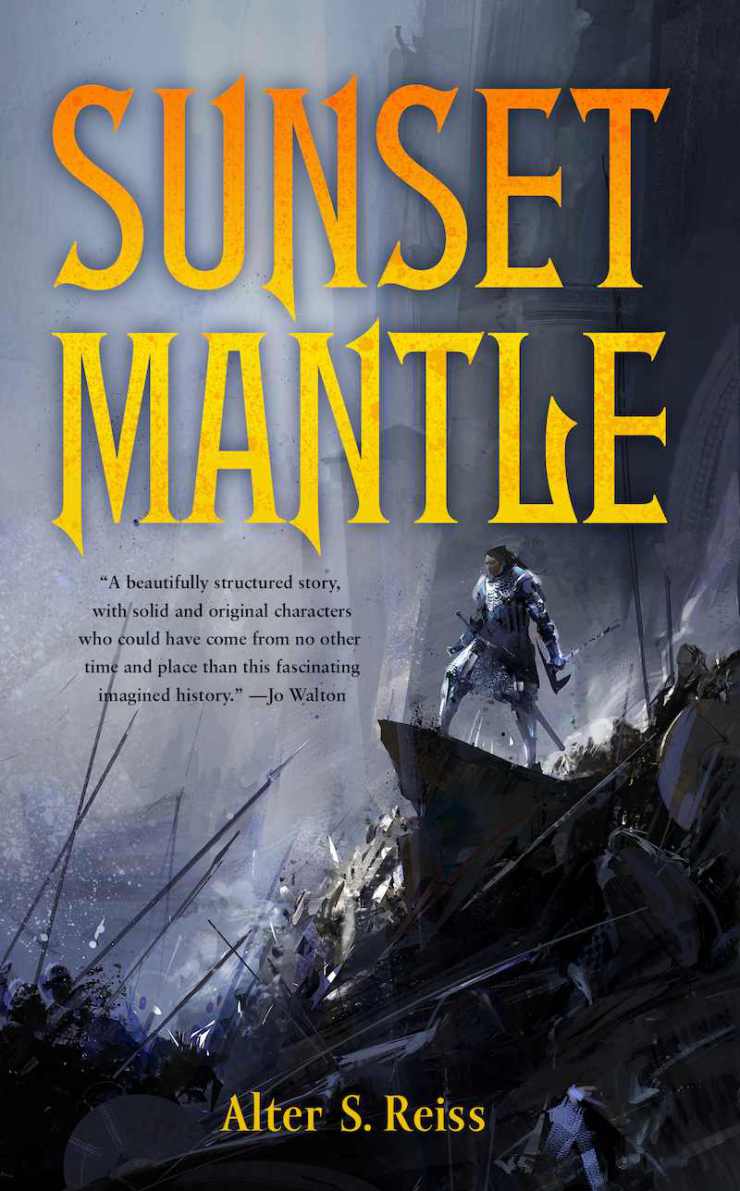

 Witches of Lychford is every bit as beautiful as its truly lovely cover (somewhat reminiscent of the posters for my favorite ’90s teen witch flick,
 The Heart Goes Last isn’t as great a read as Oryx and Crake or The Robber Bride, and it’s not going to be a formative reading experience for me the way The Handmaid’s Tale or The Edible Woman were. And it’s not as meticulously excellent and perfectly curated as Atwood’s most recent story collection, Stone Mattress. Even still, The Heart Goes Last is something special, because I honestly believe that’s the only kind of work Margaret Atwood is capable of producing.
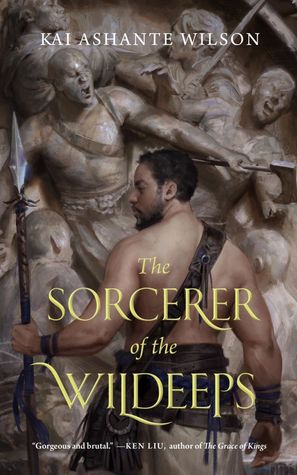 The Sorcerer of the Wildeeps is the first thing I’ve ever read by Kai Ashante Wilson, and I’m so glad I did, if for no other reason than that I went out right afterwards and also read his short stories,
  SF Bluestocking