I’m nuts for original space operas these days, with recent movies like Jupiter Ascending and recent books like The Long Way to a Small, Angry Planet to whet my appetite, so giving this show a chance was a no brainer for me. The deal was sealed when I saw it compared favorably to Firefly over at io9. Fortunately, I wasn’t disappointed when I sat down to watch the premiere episode, “Bangarang.”
The Quad is a dwarf planet and three moons.
I can see right off why this show will be heavily compared to Firefly. The Quad is a multiplanet system controlled by an oppressive centralized government (the Company). Nevertheless, there seems to be a little bit of wild west atmosphere going on, where outside of the Company’s direct oversight there are black markets and other illicit goings on. Probably the most notable similarity to Firefly however is the vision of a future cultural fusion between East and West.
The bad news about this is that it feels a little derivative, although for Firefly fans (myself included) it might also be pleasantly familiar. The good news, however, is that whoever is making the decisions on Killjoys has taken notes on the criticisms of Firefly over the years, and the world of Killjoys looks, so far at least, a lot more diverse than Firefly ever managed to be. To be fair, that isn’t saying much, and a glance through the entry for the show at IMDb still shows a pretty white cast, but it’s definitely a step up and in the right direction.
“Bangarang” is a fast-paced episode that didn’t feel very long considering the amount of worldbuilding going on. While there were a couple very obvious straight out infodumps to the audience, I think they handled them as well as is possible to do, and I’m happy to have that out of the way. The story of the episode is fairly simple; it gets our main trio of characters (Dutch, John, and D’Avin) together, and it sets up basically three mysteries that I expect to define the rest of the season:
Who is Dutch?
Why does someone want D’Avin dead?
What’s the deal with the Company?
Honestly, though, this is pretty standard stuff, and there’s not really anything groundbreaking here.
Such a pretty dress, though. And the necklace does something awesome, too.
It’s nice to see a woman of color (Hannah John-Kamen) taking the lead in a sci-fi show, and I think I am going to really like her character, but I found it off-putting to see a rape threat in the first two minutes of the show and she’s of course sharing the spotlight with a pair of square-jawed white dudes. Also, I kind of hate the “She Can Still Kick Ass in a Dress” trope, which was on full display in this episode, complete with an absolutely absurd camera focus on her sashaying into battle in a ridiculously sexy manner.
Just in general, I felt like the cast just didn’t quite gel properly in this episode, but I think this is largely because the episode was so heavily focused on worldbuilding and setting up the story. All in all, I enjoyed the premiere, and I’m looking forward to see how things go once they get a bit more into the meat of things.
For all that the novel, Jonathan Strange & Mr. Norrell is often said to be a slow starter, I feel like the adaptation so far has remained pretty remarkably true to the source material while also moving through it at a pretty good clip. “How is Lady Pole?” covers an enormous amount of story, even more than last week’s episode, and things are getting exciting.
The rain ships.
The episode opens with one of my favorite bits of magic from the book: Mr. Norrell’s ships made of rain. They’re gorgeous, but this scene, to me, isn’t quite right. The problem isn’t the ships, which are great. It’s that I don’t feel any passage of time. In the book, Norrell’s illusory ships are a blockade that keep the French fooled for eleven days. The way it’s presented here, it looks like just the work of an afternoon; the French see the ships, break out their spyglasses, then immediately row out to them and learn that they are just made of rain. I suppose this is still a waste of French time, but it’s not as impressive as the eleven days of the book, and it doesn’t seem to warrant the degree of congratulations Norrell receives from the ministers in London. It just all seems a bit much, and I think it wouldn’t have been that difficult to at least hint at some greater passage of time here.
This is a Norrell’s wigs appreciation blog.
That said, I love the way the show has done Mr. Norrell’s scrying. It looks awesome. It’s nice to see this attention to detail when they could just as easily have sort of ignored the less flashy magic in favor of just focusing on bringing to life big stuff like the rain ships. Speaking of details, I also really appreciated Norrell’s wigs in this episode. He’s got a variety of them, and every one is either ratty-looking, ill-fitting, or both. Because, obviously he can’t be bothered. It’s a lovely little bit of visual characterization that makes me think that the people involved in the production are really committed to making something special.
Honeyfoot and Segundus at Starecross/the Shadow House.
The show has combined the Shadow House and Starecross into one place, and they’ve moved up Segundus and Honeyfoot looking to open a magician’s school on the property. I’m not thrilled with this change, because I want to see as many great magicians’ houses as possible, but it makes a lot of sense with the way the show is generally just shuffling things around and streamlining events. And, really, it doesn’t matter which house it is; what matters is that Segundus and Honeyfoot are in the right place at the right time to meet Jonathan Strange so they can refer him to Mr. Norrell.
Stephen Black at Lady Pole’s dinner party.
In London, Lady Pole is a wonderful dinner hostess. I love how loud and opinionated she is, which make the rest of what happens to her in this episode extra horrifying. I’m kind of surprised by just how much I love the show’s Lady Pole, to be honest. I adored the character in the book, but seeing her brought to life is even better. She definitely improves in adaptation, and I’m especially pleased that the show seems to be making just as certain as the book ever did that we know that Lady Pole is not actually crazy. Rather, she’s enchanted and spitting angry about it.
Stephen Black and the Gentleman.
This episode introduces Sir Walter’s butler, Stephen Black, who is exactly how I imagined him, if a bit more taciturn than I would have liked. Some of that is because basically all the characters that Stephen interacts with in the book have been cut from the adaptation, so he speaks very little except with the Gentleman, and then it’s mostly utterances of confusion and helpless dismay. In the book, Stephen is a complicated character who doesn’t say much but who does think a lot, only here we don’t have the insight into his private thoughts that the book offers. Additionally, I don’t think it helps that they seem to light most of Stephen’s scenes to flatter the white fairy, which makes Ariyon Bakare’s very dark face hard to read at times simply because he nearly fades into the background.
Lost-hope.
We do get our first proper look at Faerie in this episode, in flashes in Lady Pole’s dreams and then more thoroughly when the Gentleman takes Stephen there. I absolutely loved the dark forest, the path Stephen follows the Gentleman down, and the outside view of Lost-hope. Once they get inside, though, I was disappointed. Everything is so positively gray, and I would have much preferred to see some color. I’ve always felt like part of the horror of Lost-hope is the dissonance of the place–bright colors and whimsy and dancing, but surrounded by an ancient battlefield and a dark forest and with gloomy tolling bells. There’s too much of a sameness to everything here, and while there is some sparkle, it’s not enough to keep the place from just feeling terribly bleak when I feel like it ought to have instead been disturbing and strange and awful in that way instead.
Strange and Norrell at work.
Probably the most important thing that happens in this episode is the meeting of Jonathan Strange and Mr. Norrell, and it’s so very like it was described in the book that I felt a little teary. Again, though, the show seems to struggle a little with portraying the passage of time. I love how they show the early days of Strange and Norrell’s partnership (and I laughed out loud at Norrell’s ten year plan written out), but it felt like just a single afternoon and didn’t convey months or even weeks passing before things quickly moved along to other meetings and scenes between character pairs.
Drawlight and Lascelles
This focus on pairs of characters is something else about the book that I’m very glad to see preserved in the adaptation. Indeed, most scenes in the show are between pairs of characters, and this episode in particular either works to pair characters off in significant ways (Strange and Norrell, Stephen Black and the Gentleman, Lady Pole and Arabella) or expands upon our understanding of the relationships between already existing character pairs (Childermass and Norrell, Drawlight and Lascelles, Strange and Arabella, Honeyfoot and Segundus). Like the book, the show is constantly pairing off characters and then switching them around and seeing how they interact in various combinations so that we can see a variety of fascinating contrasts and parallels between them.
Norrell finishes creating his sea beacons.
In a sequence that is perhaps a little heavyhanded, we get to see two feats of magic at Portsmouth. First, Mr. Norrell finally completes the series of sea beacons that he promised the government. While a good number of people have gathered on the beach to watch him finish the spell, it turns out that there isn’t anything to see. As one might expect, everyone is terribly disappointed.
Horse Sand.
The next morning, however, they are in for a treat. Probably because of the sea beacons, a ship has run aground on a shoal. Norrell claims to have a headache that prevents him from doing anything about it, but Jonathan Strange comes back out to the beach to see if he can help. After a couple of bad ideas, Strange thinks to use the sand itself to upright the ship, and because the shoal is called Horse Sand, he forms the sand into horses that go out to the ship and set it back up in the water. It’s extremely impressive, perhaps even excessively so, and it’s definitely the coolest piece of magic we’ve seen performed so far. Mostly, though, it establishes Jonathan Strange’s reputation as a powerful magician in his own right, and it plants the idea in the ministers’ heads that maybe they could send a magician to the war after all.
Jonathan and Arabella say farewell for now,
By the end of the episode, this is what indeed happens. Although Norrell was at first very opposed to the idea, knowledge of an imminent book sale (provided by Lascelles and Drawlight) convinces him that perhaps Strange would be better off out of the country for a while after all. I hope that Norrell is getting a lot of new books, since Strange is taking forty or so of Norrell’s books with him to the Peninsula.
I’m pretty sure that part of my lack of enthusiasm for this show is because I never made it past the second season of The Walking Dead. I’ve still been somewhat following the promotion of the prequel spinoff series, though. Between the boring as fuck title (Fear the Walking Dead, really?) and this first teaser, I can’t say I’m very encouraged.
Well, with the final episode of the season, Game of Thrones returns to inconsistent form. There are several really nicely done scenes, a lot of garbage, and the season ends more or less where A Dance With Dragons does for Daenerys, Jon Snow, and Cersei. For everyone else, everything is terrible and makes almost no sense. I mean, it’s terrible and nonsensical for Daenerys, Jon, and Cersei, too, but at least their story lines have something to do with the books the show is ostensibly based upon.
Melisandre sees the melting ice as proof of R’hllor’s favor.
Like last week, this episode opens with Melisandre, who is much more sanguine following the sacrifice of Shireen and in light of an apparent thaw. Icicles are melting inside Melisandre’s tent, and outside she’s ankle-deep in mud as she heads off to tell Stannis the good news. Stannis is cold towards her, however, which is just as well since Melisandre’s news of a break in the weather is the only good news he’s going to get all day. Half his men have deserted in the night, taking all the horses, and Selyse has killed herself. While Stannis is still processing this, another guy comes to tell him that Melisandre has just ridden out of camp.
Stannis Baratheon and the no good very bad day.
I hate that Selyse is killed off this way. During Shireen’s burning last week is the first time we’ve seen any maternal warmth from Selyse at all, after two seasons of her Lady Macbeth-ing it up and mostly just ignoring Shireen altogether. And now this week we’re supposed to believe that she’s abandoned her faith and lost hope so completely that she’s killed herself without even waiting to see if the sacrifice paid off? Bullshit. Like with Talisa’s presence and death at the Red Wedding, it’s a case of the writers wanting to dispose of an inconvenient female character and counting on the audience caring as little as they do about whether the women in the story get treated with dignity.
Also, if all the horses are gone, how did Melisandre ride out of camp on one?
At Castle Black, we get the first scene of the episode that I mostly like. Jon and Sam are catching up after their separation, and it’s actually an almost great scene for Sam. Jon tells Sam about the army of the dead and seems to acknowledge the futility of the Hardhome mission. Also, the futility of pretty much anything the Night’s Watch can do to stand against the dead, which has things looking pretty bleak for the watchers on the Wall.
Sam and Gilly start off on their journey.
Sam, on the other hand, wants to ask Jon a favor. He requests that Jon send him, Gilly, and the baby south to Oldtown, where Sam will train to become a maester and then return to the Wall. I’m so happy that this is happening, even if it is belated. I also like that they made it Sam’s idea, giving him a bit more agency in his own story and letting him come up with an idea that actually makes sense for once. I was really disappointed by how much the election of the Lord Commander was abbreviated earlier in the season, and this helps make up for that a little by at least showing some small part of Sam’s character growth. Then it’s ruined with some gross comments about Sam’s sexual relationship with Gilly, but it was nice while it lasted. Our last view of Sam and Gilly this season is them loaded up in a cart and leaving Castle Black.
As Stannis and his remaining men approach Winterfell and get ready to settle in for a siege, it soon becomes apparent that won’t be necessary, as an enormous host of Bolton soldiers rides out to meet them in the field.
Sansa just can’t catch a break.
Inside Winterfell, Sansa sneaks out of her room to light the candle in the broken tower herself. Elsewhere, Podrick sees Stannis’s army on the move and goes to tell Brienne, who stops watching for Sansa’s light literally seconds before Sansa gets it lit. Because, of course. This sort of “near miss” situation is what passes for drama in the world of Benioff and Weiss, even though it would have been even more interesting to let Brienne see the light in the tower and force her to choose between her perso0nal vengeance against Stannis and her vow to protect Sansa. Trust D&D to always do the easy thing, though.
We do get to see Ramsay going around finishing off some of the wounded, but his heart just doesn’t even quite seem in it.
There’s no budget for an actual battle scene at this point in the season, so we just get to see a bunch of dead bodies in the snow while the Bolton troops are mopping up. Somehow, Stannis manages to survive long enough for Brienne to find him so she can pontificate embarrassingly at him when he obviously just wants to die in peace. In the end, it’s not even clear whether Stannis has really died at all because we don’t actually get to see it. Which doesn’t make sense at all.
After Stannis’s sacrifice of Shireen last week, I’m pretty sure everyone hates him enough that his death would feel like some kind of justice–unless, of course, we’re supposed to direct all our anger over Shireen’s death at Selyse, who’s already dead by her own hand, and Melisandre, who is currently compounding her villainy by abandoning fan favorite Stannis in his time of need. Which is pretty much exactly what I think we are supposed to be doing. Because, somehow, after everything, I don’t feel like we’re supposed to really hold Stannis accountable for his own actions. We’re supposed to see him as tragic and noble in this final scene, and we’re supposed to think that maybe Brienne will turn her blow aside at the last minute after all, even though she has no reason to and we won’t find out for sure until next year.
Back at Winterfell proper, Sansa tries to return to her room without being seen and is caught by Myranda, because goodness knows we haven’t had a scene of Myranda gloating over Ramsay’s abuse of Sansa in a couple of weeks. This is just as pathetically misogynistic as previous, similar scenes, but it does somehow manage to spur Theon into doing something. As Ramsay arrives back at the castle, Theon pushes Myranda off the ramparts to her death, grabs Sansa’s hand and drags her up the wall of the castle, where they leap off into the snow, which doesn’t look nearly deep enough to break their fall.
Theon and Sansa prepare to jump.
Myranda might be the thing I hate most about all of the Ramsay stuff because, on the show, Myranda’s support of Ramsay and her participation in his depravity makes her look worse than he is. Because Ramsay is evil, but Myranda is stupidly evil for being with him because it’s super obvious that he’s not safe for her. I hate how Myranda has been created on the show exclusively as a character for the viewer to hate without remorse, even as Ramsay has been given greater depth in the show because D&D wanted to explore his daddy issues. I especially hate it here because we’re supposed to cheer for her death. And we’re not cheering for her death at Sansa’s hands, which could have been read as Sansa’s (another woman’s) victory over internalized misogyny (represented by Myranda). We’re meant to cheer Theon for rescuing Sansa from Ramsay, for whom Myranda acts as a stand-in.
In every way, Sansa has been systematically regressed and robbed of agency and power this season, and her character growth has been completely sacrificed in order to give Theon an opportunity for redemption. I won’t even dignify it by calling it a redemption arc because it’s literally only in the last seconds of this scene that Theon seems to regrow a spine. It actually begins with Theon entreating Sansa to go back to her room while Myranda aims a bow at her, and it’s only when Sansa seems to refuse that Theon finds his own courage. Tellingly, though, it’s not Sansa who grabs Theon’s hand, and it’s not Sansa who leads the way up to the wall they leap from.
For a show based on source material that is so lauded for subverting and questioning standard fantasy tropes, Game of Thrones will always do the boring, hackneyed thing if given half a chance. The interesting thing to do here would have been to have Sansa leap on her own. Or to reverse the damsel in distress trope and have Sansa kill Myranda in her own self defense and then rescue Theon as she makes her own escape. This second option would even have offered interesting character growth for Sansa, as we’ve already gotten to see her feelings for Theon evolve from hatred and disgust to a sort of pity–they could have evolved again here to a sort of forgiveness that would allow her to take him with her. This even would have given Theon the opportunity for an actual redemption arc in the future as he tries to prove his usefulness and loyalty to Sansa after she rescued him.
That’s not what we get, though, because D&D are hack writers who have proven for two straight seasons now that they both do not understand or respect the spirit of the source material at all and are incapable of any actual independent thought. They hew close to the source material when it’s convenient to them, and they seem desperate to include certain events come hell or high water, even if the events no longer make sense in the context of the show. Otherwise, they shit all over fans of the books and insult the intelligence of even the most unsullied viewers by filling the rest of the show with just the sort of tired, dated, boring tropes and storytelling tricks that the books are so famous for critiquing.
Honestly, I don’t think this was even that cathartic for Arya.
Meanwhile, in Braavos, we’re back to Meryn Trant and the brothel, which has managed to provide him with not just one but three children to abuse this week. As Trant walks down the line of girls, beating them with a cane, it’s obvious that one of these girls is not like the others. Oh, shit, it’s Arya. Who could possibly have seen this coming? Oh, everyone? Well, I guess that just makes this a disgusting and gratuitous scene of a grown man sexually abusing children in a brothel for no other reason than as window dressing for a preordained scene of Arya’s bloody revenge. This is the most gruesome death scene since we saw Oberyn Martell’s head squished like a grape last season, but I couldn’t enjoy it because it was coupled with yet another scene of sexual violence. It’s exactly what I predicted last week, but it’s still a little sad that the show’s reliance on sexual violence for shock value and titillation is so predictable. I guess I should just be thankful that these poor girls were all reasonably covered up.
When Arya returns to the House of Black and White, she’s met by Jaqen and the Waif, and she’s punished by being made blind. There’s also a bit of a mindfuck here where there’s a fake Jaqen H’ghar who kills himself and Arya starts pulling a bunch of faces off him, but I’m honestly just terribly bored by this stuff. The House of Black and White is gloomy, the Waif is cruel, Jaqen is mysterious, Arya is vengeful, and everything about this is horribly predictable.
Oh, Ellaria. I honestly don’t see how no one guessed what you were up to, but okay.
In Dorne, Jaime and Bronn are departing with Myrcella and Trystane, which starts off uneventfully enough. Even Ellaria and the Sand Snakes seem resigned to how things have turned out, and Ellaria gives Myrcella a motherly kiss goodbye while Tyene tries to bite off Bronn’s ear in what is hopefully the last bit of that particular piece of vomit-inducing trash writing.
Once the boat is on its way, Jaime tries to have a heart to heart with Myrcella, who isn’t as stupid as D&D have previously written her to be. She figured out about her mom and uncle father Jaime ages ago and is totally cool with it. This conversation could be sweet if it wasn’t so anti-climactic, and it could offer some hope that Myrcella might turn out to be an interesting and canny player of the game once she gets back to King’s Landing. Unfortunately, that’s probably not in the cards for her, since she keels over in the middle of hugging her dad, showing signs of the same poison that almost killed Bronn in the dungeon. Back on the dock, Ellaria’s nose starts to bleed as well, and she wipes off her poison lipstick and quaffs a tiny bottle of antidote.
The whole Dornish plot this season has barely even qualified as a plot, and these last couple of scenes are no different. I’m sure that the poisoning and likely death of Myrcella are supposed to be shocking, but I really just feel mildly annoyed at how little sense any of this makes. Many readers of the books have complained about the Dornish plot and how it doesn’t seem important to the main story, and though I’m not one of those readers–I actually love the Dornish plot in the books–I do think that if they weren’t going include any of the actually interesting stuff about Dorne in the show they shouldn’t have bothered including it at all. Even without any Bran Stark or Yara Greyjoy scenes this season, basically all the story lines they covered could have used a few more minutes of screen time. Instead of doing the Iron Islands, which with the horn of dragon controlling and the part they play in the Battle of Meereen in the books would make more sense, Dorne was implemented in a way that adds nothing to the main story at all.
With no Aegon plot (fake or otherwise) and no Quentyn in Meereen, Dorne in the show feels pretty much completely cut off from everything else important that’s going on, and Jaime and Bronn’s sojourn there feels like filler created just to give those two something to do. I’m inclined now to think that Bronn should have just been written off with his marriage to Lollys as he was in the books, and Jaime should have been sent to the Riverlands to deal with things there offscreen. Everything that has happened this season in Dorne could have been handled better by raven. Or not at all because it was entirely poorly written crap that doesn’t make any sense to add to the story in the first place. Poor Trystane, though, I guess. That kid is fucked when they get to King’s Landing. I could imagine Jaime giving him a break, but Cersei is going to lose her shit if Myrcella is for real dead.
I love Missandei’s new costume.
On the other side of the world in Meereen, it’s time to see how Tyrion, Jorah, Daario, Missandei, and Grey Worm are holding up since Daenerys flew off on Falcor Drogon last week. Without addressing how they managed to fight off the Sons of the Harpy, escape the Pit of Daznak, and retain control of the city, we’re taken straight to Daenerys’s throne room, where Tyrion, Jorah, and Daario are bickering about which one of them deserves to serve Daenerys more. Missandei brings a still injured Grey Worm in so he can join in on the fighting over who gets to go searching for Daenerys. In the end, it’s decided that Jorah and Daario will ride off in search of their queen. Tyrion, Missandei, and Grey Worm will stay in Meereen to rule the city. Which doesn’t make as much sense as Daario and the show writers seem to think it does, but sure.
I am still uncritically thrilled about this development.
As Jorah and Daario exit the city, again mysteriously unmolested by the Sons of the Harpy, Tyrion is watching from the walls above when–surprise!–Varys shows up. I kind of uncritically love all conversations between Varys and Tyrion and this is no different. I’m unashamed to say that I don’t care how this happened; I’m just happy that Varys is here because I’ve missed him since Jorah kidnapped Tyrion, and even though every line of dialogue in this short conversation is redundant and verging on silly I just ate it up because these two characters are my favorite on-screen pairing in the show. This is also the first moment in the episode that made me think that maybe I’ll watch next season after all (still 85% not watching, but I was 95% not watching going into this episode).
This is some scenery porn, right here.
Somewhere green and beautiful, a good distance away from Meereen, Drogon has brought Daenerys back to his “lair,” which is really just a kind of scorched spot on the ground filled with bones from things he’s eaten. Daenerys tries to get Drogon to take her back to Meereen, but he basically turns into a very large scaly cat and pretty much ignores her in favor of licking his wounds and snuggling down in his bone pile. She even tries just hopping on his back, only to be unceremoniously dumped off. When she realizes that Drogon isn’t in a mood to be helpful, Daenerys wanders off to look for food or something, but instead she finds a whole army of Dothraki. As they surround her, she removes an enormous ring from her finger and drops it on the ground.
I say I hate this being played for laughs but if it wasn’t, I wouldn’t have this screen shot.
I hate the way this happens in the show. I hate that they played the interaction between Daenerys and Drogon for laughs. I hate that they don’t deal with the several weeks of time that pass in the book while it’s just Daenerys and Drogon. And I hate that it looks like they are separating Daenerys and Drogon and having Daenerys captured by the Dothraki instead of the way it happened in ADWD where she’s standing right next to her dragon when she meets the Dothraki. Between that, her look of fear, the way she drops her ring, and the knowledge that Daario and Jorah are already looking for her, it looks like even being an actual dragon queen isn’t enough to keep a woman from becoming a damsel in distress on this show. I could be wrong, but I’m probably not, and it really seems like they’re setting Daenerys up to be in need of rescue next season.
Pretty much how I imagine YouTube comments, tbh. Interestingly, the crowd in King’s Landing was probably 80% men. Because of course it was.
Next up is Cersei’s confession and walk of atonement, which I am surprised and pleased to report manages to mostly do the source material justice, although this is entirely due to Lena Headey’s superb talent as an actor, since the writers seem to have been more concerned with really capturing the feel of what it might be like for a woman to walk through a YouTube comments section brought to life.
Very reminiscent of Ellaria kneeling before Doran, which I kind of hate.
The High Sparrow seems to betray his political sensibilities after all when he accepts Cersei’s confession so easily and doesn’t pressure her to confess to more. Perhaps Cersei’s confession, the walk, and the planned trial are enough for him. It seems likely that, even if he’s a zealot, the High Sparrow recognizes the value of maintaining a stable monarchy in a wartorn country, especially if the monarch is a child who can be easily controlled by holding his mother (and wife and brother-in-law, although there’s no mention of the Tyrells in this episode) hostage. In any case, for all the the High Sparrow has ostensibly been above such worldly concerns, his satisfaction with Cersei’s minimal confession and his willingness to let her return to the Red Keep suggests that he’s not entirely above politicking after all.
Resolve.
The walk itself is harrowing, and while watching it isn’t the same as reading it from Cersei’s point of view in ADWD, you can clearly see the progression of Cersei’s emotions. During her confession she’s calculating, and she simmers with fury even as she kneels before the High Sparrow. As the septas wash her and cut off her hair, Cersei’s eyes glitter with rage. Even as she stands in front of the crowd while the High Sparrow recounts her confession, her head is held high, and she gives every impression of being a person just going through whatever motions she needs to in order to get what she wants. It’s not until near the end of her walk that Cersei’s stony demeanor starts to crack, and it’s only as she actually begins crossing the final bridge into the Red Keep that she actually breaks down sobbing.
I really liked the periodic views of the Red Keep as Cersei gets closer to it.
Lena Headey deserves an Emmy for this performance, but I actually have to give some credit to the rest of the production here as well. It’s not often that Game of Thrones handles nudity with maturity and sensitivity, but they manage to do so here for the most part. There’s a good amount of Cersei’s body on display, since it is a fully nude walk, but I didn’t get the sense that anyone went out of their way to focus on her tits the whole time. That said, the scene did start to drag a little after a while, and it did begin to seem as if someone in the production was reveling a little too much in yet another instance of the show sensationalizing the degradation of one of its major female characters.
Yup That is definitely murder in her eyes again.
I would say that at least Cersei’s walk of shame gets to be wholly about her, but I don’t think that’s actually the case. She has to share the spotlight, in the end, with Qyburn and Qyburn’s monstrous creation, who is the newest member of the Kingsguard. Zombie Gregor Clegane actually looks pretty cool, and the slightly warped armor that doesn’t quite really fit is a very nice touch to show that something isn’t quite right here. My question about this is the same as my question about it in the book, though. How does no one else notice? I’d just think that someone would point out that this new Kingsguard guy is real weird, especially since Cersei has been temporarily out of power. The look on her face as Ser Zombie carries her away definitely underlines that “temporarily” though. She’s had her little breakdown, but she’s already scheming again because Cersei Lannister is nothing if not resilient.
Poor Davos.
Finally, the episode (and the season) ends with Jon Snow at Castle Black. First, he’s dealing with Davos Seaworth, who is trying to convince Jon to send some men south to help Stannis at Winterfell. Then Melisandre shows up alone and completely changed from the confident woman who rode out with Stannis earlier this year. The good news, I suppose, is that Jon is off the hook for helping Stannis. The bad news is literally everything else, and Davos’s face at the news Melisandre brings is the most heartbreaking possible thing I could have seen in this episode.
Later that night, Jon’s steward, Olly, comes to tell him that there’s been some news of Jon’s uncle, Benjen Stark, who’s been missing in action since season one. Surprise, though! There is no wildling with information about Benjen; there’s just a grave marker looking thing that says “TRAITOR” on it and a bunch of men of the Night’s Watch with knives. Alliser Thorne looks almost regretful as he drives the first dagger into Jon’s chest, and Olly looks absolutely conflicted as he drives home the last one, but none of the men look back as the walk away to leave Jon bleeding out in the snow. The last shot of the episode is of Jon’s dead face–no white eyes to suggest that he’s warging, although a screenshot leaked prior to the episode airing would indicate that this was at least a possibility. Just going by what we’ve seen on screen, then, it would seem that Jon Snow is actually dead, making this almost certainly the largest body count for major characters in any single episode of the show.
Looks pretty dead to me.
The thing is, it’s not entirely certain which characters are actually dead and which ones may still have a little life left in them. That, of course is the big question we’re left with at the end of this season, if we ignore other important concerns like whether or not the show runners will ever get tired of heaping violence and humiliation upon the show’s women and girls or if the writers will ever stop wasting the immense talents of actors like Alexander Siddig and Indira Varma on horrible tripe like, oh, every scene in Dorne this year. I tend to be at least slightly skeptical of the permanent death of any character whose cold, dead corpse I don’t definitely see on screen, so here’s my best guesses:
Selyse Baratheon – Definitely dead, because she’s outlived her narrative usefulness and D&D are generally quick to dispose of female characters who don’t have a particular reason to exist any longer. Much like Talisa Stark, Selyse has to die in the show so no one has to think of something for her to do without her husband (or daughter, in Selyse’s case) to give her life purpose. Much like Ros, Selyse’s now-inconvenient existence is ended off screen, although at least Selyse was given the dignity of keeping her clothes on when we see her dead body.
Meryn Trant – Definitely dead, and gruesomely so. This is probably the only death in this episode that everyone can agree on the finality of, although Trant wasn’t exactly a major character, either.
Stannis Baratheon – I would say definitely dead. With no army, no wife, no daughter, and with Melisandre having abandoned him, there’s not really anything for Stannis to do if somehow Brienne missed her strike. And I can’t imagine that she did or that she’d suddenly have a fit of mercy and change her mind. While her revenge against Stannis didn’t really feel earned, and sentencing and executing him while he’s already bleeding out after a spectacularly disastrous military loss doesn’t seem sporting, I don’t think Brienne is actually all that honorable when it comes down to it. Not on this issue. Mostly, though, if Stannis isn’t going to win the Battle in the Snow, I don’t see that there’s any reason to keep the character around any longer. With screen time already at a premium and going into the sixth of seven planned seasons, it’s about time to start paring things down, and it’s not surprising that Stannis is the first to go as he was never a serious contender for winning the Iron Throne in the long run.
Theon and Sansa – Definitely alive, although battered probably, from jumping off of Winterfell. That snow was nowhere near deep enough to completely cushion their fall. The big question regarding this pair is where do they think they’re going? With Stannis’s army slaughtered and the Wall a month’s ride away when they’re on foot, their only chance is probably Brienne and Pod who don’t know to be looking for them–and going to the nearest town would probably be a terrible idea since that would probably be the first place that Ramsay would look for them.
Myrcella Baratheon – Almost definitely dead, which is too bad. Myrcella’s knowledge and acceptance of her true parentage suggests a character who could have been an interesting player in the game of thrones, especially if she’d returned to King’s Landing bringing Dornish values with her–namely the Dornish custom of eldest children inheriting regardless of gender. She and Trystane could have been a formidable couple, and I would have loved to see them go up against the formidable-on-her-own Margaery and puppet Tommen. Alas, I think this is not to be. While Bronn could likely identify the poison Ellaria used, I doubt they have any antidote handy, and I don’t expect the writers intend to introduce another new power dynamic to King’s Landing this late in the series. Also, admittedly, a dead Myrcella will likely introduce just as much chaos as a live girl could have. There’s no way Cersei is going to take this well.
And, finally, Jon Snow:
I have to only give Jon even odds at this point. His on screen death looked pretty final to me, and Kit Harington has outright said that he won’t be returning in season six. If that’s not true, it would be the first time in the show’s history that they’ve pulled this kind of bait an switch, so I’m half convinced. I’d like to think that Kit and the show runners wouldn’t fuck with their fans like that.
However, I don’t believe Jon Snow is dead in the books, and I do believe that, even if he’s not endgame going to sit the Iron Throne, he still has an important part to play in the future. Additionally, it just doesn’t make sense to kill him off right now.
With Sam departing Castle Black with Gilly, losing Jon would leave us with no main point of view character at the Wall. Also, with Jon dead, there would no longer be any reason for Sam to return to the Wall after becoming a Maester.
Davos and Melisandre are both there, but without Jon there’s no reason for them to remain there and no particularly direction for them to leave.
With Stannis dead, the Wall and Jon Snow is the only logical destination for Sansa and Theon, which could ultimately force a confrontation between the Boltons and the Night’s Watch that would only work if Jon Snow was at Castle Black.
If Jon Snow is dead, who is going to take over the defense of the Wall? Alliser Thorne seems the likely answer, but to what end? While Thorne disagreed with Jon’s decisions about the Free Folk, I can’t see Thorne leading the charge to murder women and children, either, especially with the army of the dead on the way. In this respect, the way the show has handled things, it actually seems a little silly to even have the attempt on Jon’s life in the first place except for dramatic reasons–basically to be a thing that happens to grow Jon as a character who learns or changes from the experience.
Essentially, if Jon Snow is really dead, then all bets are off for how the rest of the show plays out. I have no predictions for that scenario, because I think Jon Snow is that important to the story.
The worst thing? I don’t even particularly like Jon Snow. I’ve often jokingly thought and said that it would be great to not have to read through any more of his mopey POV chapters in the books. But the truth is, I don’t see how the story goes on without him.
Jon Snow’s apparent (or actual) death could be compared to the offing of Ned Stark in the first book/season of the show, but it’s not like that at all. Ned Stark was doomed from the start, and his death was honestly not nearly as shocking as its sometimes made out to be. Indeed, Ned Stark’s death was heavily telegraphed (as was Robb Stark’s, later on). Also, even if someone missed the hints that Ned Stark was fucked, A Game of Thrones is the shortest book in the series so there wasn’t that much time to get attached to Ned (who wasn’t that likable anyway) AND it’s Ned Stark’s death that sets off most of the events in the rest of the series. As far as Robb Stark’s death, well, Robb wasn’t even a POV character.
This isn’t the case with Jon Snow, who has been a POV character for the entire series, with the second most chapters in the books after only Tyrion Lannister, and who is central to numerous fan theories. Even if all of the fan theories and speculation are wrong, there’s an incredible amount of hinting and foreshadowing in both the books and the show that Jon is going to play a significant part in the future–which he can’t play in the show if he’s dead.
Even though all the evidence on the show and the statements to date from people involved in the production seem to say that Jon is dead and Kit Harington isn’t coming back, I have to say I don’t know how they can be serious. Certainly I hope they aren’t. Going into this episode I was about 95% not planning on watching the show in season six, but by the time Varys popped up in Meereen I was about 60% going to watch it. When I was finished, I was about 80% in for next season, but Jon Snow’s actual death could be a dealbreaker for me. Not because I like the character that much, but because I just don’t see how the story continues without him unless every single fan theory and speculation over twenty years of ASOIAF fandom and, for me, over seven years of personal participation and investment in the GoT/ASOIAF phenomenon is totally wrong.
I’m slowly coming to terms with the increasingly obvious fact that this show/book fandom is something I’m in for better or worse. If the last two seasons haven’t completely killed my love for it, I’m not sure what could–except the sort of complete betrayal that would be the permanent death of Jon Snow at this point.
“The Friends of English Magic” covers a good deal of the first third of its source material, but it still feels as if things are starting off pretty slow. This is reflective of the style of the book, which starts slowly as well and builds up into a dramatic juggernaut over time, and I’m not sure if anything could have been done differently and remained a faithful adaptation. Still, it might have been nice to have a little more excitement.
The episode opens with John Segundus and the question that he puts to the York Society of Magicians and later to Mr. Norrell:
Why is there no more magic done in England?
Quite a tolerable practical magician.
I’m happy to see this being translated to the screen so exactly, but I felt like the introduction of Mr. Norrell, in particular, was rushed, and the delivery of Norrell’s statement that he, himself, is a quite tolerable practical magician just didn’t quite work for me. Eddie Marsan looks the part, but his performance, at least in this crucially important scene, is unpleasantly affected-seeming.
Enzo Cilenti as Childermass is a little better. Although I imagined Childermass taller and darker, my main complaint about Cilenti’s portrayal is that he mumbles his lines to a degree that he’s nearly unintelligible. Edward Hogg as Segundus is a little too reminiscent of Sleepy Hollow-era Johnny Depp, but I find the sort of nervous energy he brings to the role endearing rather than otherwise.
I didn’t love the exterior shot of Hurtfew Abbey. It seemed run-down when I think they were going for gloomy, and I don’t really think either of those things are quite right for the magician’s house. Inside, I think they nailed the weirdness of Norrell’s labyrinth, but the library was a bit too medieval-looking. when I would have expected it to be a little more comfortable. The windows and light were nice, but just, in general, I find everything to be a little too grey and brown, which is too bad because I think grey and brown and dull is sort of the aesthetic the show is going for.
Norrell’s feat of magic at York Minster was similarly rushed feeling, almost frantic-seeming, and visually disappointing, again mostly because everything sort of congeals into a monochromatic grey dullness that sucks the life out of every scene.
Drawlight and Lascelles
Even Norrell’s arrival in London only shifts tone from grey to beige; it’s less gloomy but not much more visually interesting. Even Drawlight (a poorly cast, too old, and obnoxiously lisping Vincent Franklin) is sadly muted in a muddy pepto-bismol pink. John Heffernan as Lascelles, on the other hand, is a perfectly bored and jaded almost-aristocrat, and is one of the few casting choices that I wholeheartedly approve of.
Jonathan and Arabella.
Since everything concerning Norrell is so shrouded in gloom, I would have expected Jonathan Strange’s scenes to be a little more bright and colorful, but that’s hardly the case. However, the casting of Jonathan Strange, Arabella, and Henry is on point. Charlotte Riley, in particular is everything I could have hoped for in Arabella, and her expressive face is put to good use in these early scenes. Bertie Carvel’s Jonathan Strange is perhaps a tad too ingenuous, especially since he’s a good deal older here than Strange is when he’s introduced in the book, but he’s likable and not too handsome for the role.
I was very happy to see Jonathan Strange’s father included, although I suppose the time could have been better spent on other material. There were several scenes that I though could have used just an extra thirty or sixty seconds, and the elder Strange just isn’t that important in the grand scheme of things. As a reader who loved all parts of the book, I’m glad this made the cut, but I can definitely think of more than one better use of that time.
Possibly the greatest disappointment of this first episode is how quickly they fly through everything concerning Vinculus (Paul Kaye, perfectly cast). There’s no particular scene that has been cut from the source material, and all of the most important events happen in the show just as they did in the book, but every scene with Vinculus is one that could have run just a little longer to better effect. In particular, I would have liked to see the part with Childermass, Vinculus, and the cards of Marseilles taken a lot more slowly, and I think Vinculus’s prophecy to Norrell in the alley could have just been enunciated a little better. I’ve watched it twice now, and both times it came across garbled.
Vinculus.
On the bright side, Vinculus’s meeting with Jonathan Strange was done nicely. Again, with the mumbling of lines, when I feel like important prophecies should be pronounced more clearly, but overall well-done. This is followed up with Jonathan’s revelation to Arabella and Henry that he plans to study magic, and this scene is one that probably couldn’t have been done better. It bothers me a little that the “enemy” is so clearly recognizable as Norrell, here, but I don’t know how it could have been done differently. When reading the book, this is one of those things that is obvious to the reader but not to the character, and by the time Strange and Norrell meet in the book it’s nearly forgotten because it’s been over a year of book-time. I just have a feeling that it’s going to have to be dealt with differently in the show to avoid making the Stranges seem stupid, and I’m not sure how I feel about that.
The episode ends right where it ought to: with Mr. Norrell’s resurrection of Miss Wintertowne (later, Lady Pole) and the introduction of the gentleman with the thistledown hair. I didn’t love this. In fact, I feel let down by it.
Sir Walter and his resurrected bride.
First, let me say that I actually love Alice Englert as Lady Pole. When I heard that the girl from Beautiful Creatures (which was a turd of a film based upon a book that I found unreadably bad) was playing one of my favorite characters, I was definitely apprehensive, but I think she’s going to be okay.
Second, I have to admit that I find myself liking Marc Warren’s Gentleman in spite of myself. I would have preferred a younger actor for the role, but I think he will work after all, once I adjust my expectations.
The fairy gentleman.
What I feel let down by, though, is the sheer level of gloom that seems to settle over everything. Like Drawlight’s puke pink suit, the Gentleman’s rather moldy-looking green ends up looking grimy rather than atmospheric, and the leafy cutouts around the edges of it are just a bit too heavy-handed a sign of him being a fairy. It’s certainly not magical, and I would have expected this scene, at least, to have something otherworldly about it. It’s not terrible, I suppose, but I find the sort of ever present pall over ever bit of the show to be a little depressing in a way that the book never was. While the show isn’t devoid of humor, I would like to see it being a little more fun. I think the worst thing that could happen would be for it to take itself too seriously.
The great Jonathan Strange & Mr. Norrell reread is finished, and tomorrow the show starts airing in the US. I will be posting a recap and analysis of each episode the Monday after it airs.
I love this show, but it has some problems, and the first season finale had a lot of stuff to love as well as a couple of things that I hate. Spoilers ahead!
I think I expected the season finale to do a better job of wrapping things up with the Max Rager conspiracy plot, but instead I feel like that took a decidedly back seat to Liv’s feelings and Major’s zombie killing spree. The thing is, Liv’s feelings are important, and it’s nice to see Major get his moment to shine, but I was extremely upset by the continued absence of Liv’s roommate, Peyton–who just found out last week, in a pretty traumatic way, that Liv is a zombie.
“Blaine’s World” continues last week’s story, starting off with one dead teenaged band member (Teresa) showing up in the morgue and another missing. Liv eats Teresa’s brains, but I felt like this was barely noticeable throughout the episode. Liv has a couple of flashbacks, but this aspect of zombie-ism doesn’t play nearly as large a role in this episode as usual. Ravi jokes early on that Teresa isn’t different enough from Liv for him to notice a difference, and that turns out to be the case.
On the one hand, I think this could be a necessary thing–in this episode I think it’s important that we get to see an authentic Liv who isn’t unduly influenced by her food. On the other hand, the very necessity of this makes the “Teresa’s brains won’t even be noticeable” thing feel like plot convenience. Liv’s visions are usually extremely important to solving the case of the week, and the brief experience of others’ lives that her diet provides is an aspect of the show’s zombie mythology that has led to some of my favorite moments in the series so far. So it was a little disappointing to see that abandoned in this episode.
The mystery of the episode itself, well, wasn’t really. I felt like there weren’t really any big reveals here, and there wasn’t really any huge defeat of a bad guy, either. I’m not sure if I love this or hate this. I suppose it could be interpreted as reflective of the ambiguities of the real world, but if I wanted realism I probably wouldn’t be watching a show where the protagonist eats human brains. What I do like for sure is that, even without any major defeat of a villain, by the end of the episode everything is poised to change:
Meat Cute is gone (and Major’s destruction of the place is amazing)
Blaine seems to be getting better after Liv uses a dose of cure on him
Major may or may not be a zombie, but he’s definitely not real happy with Liv (I definitely love that they didn’t pair these two off, by the way. That would have been way too easy.)
Liv has possibly ruined any chance that Ravi could develop a cure for the zombies, and Ravi doesn’t know it yet
Liv’s brother is in the hospital, and she’s just refused to donate blood to him (we’ll have to wait til next season to find out if she sticks by that decision)
Lieutenant Suzuki is dead, which means some major changes in the police force probably
Clive is about to have Major arrested for murder, probably, which I think means Liv (or someone) is going to have some explaining to do
The Max Rager story finally hits the press and it looks like there are some structural changes going on there as well, which seems like a definitely mixed blessing
Honestly, though, I think that the season finale might have been better if it had been a little more focused. There’s a lot to unpack in this episode, and most of it is stuff that we’ll have to wait until next season to see how it’s really going to affect things. I felt like the episode was just a bit too much all over the place, and I actually found it a little confusing and overwhelming without actually being particularly exciting.
“Blaine’s World” covered an enormous amount of ground, but I don’t think it really did any of its various plot threads justice. More than that, I think that aside from Liv and Major and possibly Blaine, it didn’t do its characters justice. Peyton is still missing in action; Ravi doesn’t have much to do until he finds out about Liv’s use of the cure next season; I’m not sure I understand the purpose of Suzuki’s death; Clive seemed to barely appear in the episode at all; and Liv’s brother gets hurt, but I hardly care because, like Peyton and Liv’s mom, he only shows up when it’s convenient and I don’t feel like I know him yet or that he’s particularly important to Liv–sure, I know I’ve been told that Liv loves these people, but they seem to only exist to her when they are in the same room as she is.
All that said, I’m not truly unhappy with the episode; I just want another forty-five minutes of it to flesh everything out. I’d rather have a little more closure on some things–especially what is going on with Peyton–to make it easier to handle the wait until next season before finding out about some of the major (get it?!) things that happened in the finale.
Well, that happened. I was actually moderately excited about this episode for the Daznak’s Pit stuff, and even that was disappointing. “The Dance of Dragons” is just a big old mess of bafflingly terrible adaptational choices topped off with pretty clear evidence that they spent their whole effects budget on Hardhome last week.
Melisandre investigating the disturbance.
The episode opens in the North, with Melisandre hearing something happening outside her tent. As she walks outside and lifts a lantern to see into the night, men start yelling and fires start springing up all over the camp. In perhaps the coolest visual effect of the episode, a horse runs by actually on fire and screaming its head off, which is a horrifying sound and definitely adds to the sense of terror here. That said, it seems a little silly that this is the stuff that freaks Melisandre out. A woman who burns people alive for a living and who is one of the driving forces behind this war to begin with is this unsettled by stuff that is part of completely conventional warfare? Okay. Sure.
In the morning after this attack we find out that this was Ramsay Bolton’s plan being successful. Less than twenty men managed to sneak into Stannis Baratheon’s enormous encampment, completely undetected, and destroy all their food, supplies, and siege weapons. If they can do that successfully, why not just assassinate Stannis himself? Or Melisandre? Where did the Bolton men get their intelligence? How on earth, no matter how well they know the North, did they know exactly where to go in that camp to do the most damage? When all the tents basically look the same and everything is covered in snow? Like so many other things on this show these days, none of this makes much sense if you think about it at all.
Jon Snow returns from Hardhome.
Even farther north, north of the Wall, Jon Snow has returned with the relatively few Free Folk that he’s managed to retrieve from Hardhome. There’s an attempt to create a tense moment as Alliser Thorne glowers down disapprovingly from the top of the Wall, but there’s not really any point at which one seriously feels that he’s going to refuse. In a huge disaster of an episode, I did love this moment, even though I don’t think it was entirely successful as a piece of drama.
Ser Alliser will do his job, but he’s not going to pretend to like it.
Owen Teale as Ser Alliser really just knocks it out of the park in this episode, and I feel like he’s brought an interesting level of depth and sympathy to the character that never existed in the books, where Ser Alliser is only experienced through the point of views of characters to whom he acts as an antagonist. His thoughtful gaze as he watches the Wildlings from the top of the Wall communicates a lot about this character’s reaction to these events, and Alliser proves his loyalty (or maybe just his basic humanity) when he opens the gate to let them in. However, his last remarks–”You have a good heart, Jon Snow; it’ll get us all killed”–make his position more clear. Ser Alliser won’t leave children to starve in the snow; he’ll let them in, but he won’t be happy about it.
Back at Stannis’s camp, Stannis is sending Davos back to Castle Black to demand more horses and supplies. First Davos suggests that any boy with a scroll could deliver this message, but Stannis insists that it must be Davos. Then Davos offers to take Selyse and Shireen with him, then just Shireen (”A siege is no place for a little girl.”), but Stannis only responds that his family is staying with him. And holy shit, are they about to do what I think they are going to do? Of course they are.
The last happy moment in all of Game of Thrones, probably.
But first, Davos goes to visit Shireen, and it breaks my heart that this is the last scene we’ll see between these two characters because their friendship is so sweet and good and one of the few nice things that happen in this show. As much as I love this scene because I love these characters, the lead-up to what’s about to happen to Shireen is so goddamn heavy-handedly done, I end up just feeling resentful about it. Because of course the show is going to give us this beautiful scene (and this season’s earlier nice scenes with Shireen), even though we probably all should have known she was doomed as soon as Stannis didn’t leave her at the Wall like he did in the books.
Ellaria does her part to keep things weird.
In Dorne, we get our first awkward family dinner with the Martells, and this is the first scene in Dorne that I haven’t completely hated. Probably because awkward family dinners are perhaps the single thing that this show does consistently well. Jaime is insolent, Ellaria pouts shamelessly and ends up flouncing off in a huff, Trystane looks beautiful, Myrcella is still in teenage rebellion, Doran is much slimier sounding than I envisioned him in the books, and Areo Hotah looks long-suffering. Looks like Myrcella is going back to King’s Landing after all, but with Trystane in tow to take Oberyn’s place on the Small Council. And Bronn will be released back to Jaie.
Cute couple. I look forward to awkward family dinners in King’s Landing with these two.
I kind of hate this, actually–I did only say I didn’t completely hate this scene. In the books, it’s Lady Nym who is sent to King’s Landing with Tyene accompanying her, and this is after their plot to crown Myrcella queen has been foiled and Doran has brought them into his plot. It’s bad enough that the show decided to omit Arianne Martell altogether, and it’s obnoxious what they’ve done with Ellaria–they’ve characterized her (and the Sand Snakes) as unreasonable, stupid, and ineffectual to boot–but replacing the Sand Snakes’ trip to King’s Landing with sending Trystane? This is just ridiculous. Not only did we not get a major female character from the books, but the group of women we did get are being sidelined from their own story in a way that will basically leave them with nothing to do.
Why did the show even bother to include the Sand Snakes and the trip to Dorne at all if this is how they were going to handle it? They could have just as well had Doran send a letter saying “Hey, I’m sending your daughter home, but here’s my son and the betrothal is still on.” If a full season full of “story” can be done equally effectively by just sending a raven, there’s a big problem.
My expression through this whole scene.
But wait, it gets worse! Because, goodness knows, we have to head off to Doran’s dungeons now, where Bronn is listening to the Sand Snakes playing some kind of game that sounds like 50 Shades of Grey. Apparently, the game is for Nym to try and slap Tyene’s hands, which she is holding completely stationary so Tyene gets slapped again and again while Nym taunts her all sexy-like about how Tyene likes humiliation and pain. It’s gross and unnecessary, and just as they are about to get into a sexy girl fight, Areo Hotah shows up to spoil their fun by glaring disapprovingly at them. As Bronn is released, Tyene wants him to tell her again that she’s the most beautiful woman in the world, and Obara stops sulking just long enough to call her sister a slut. Because D&D will never miss a chance to demean women as much as possible, and for some reason they really hate the Sand Snakes. Bronn is turned over to Jaime, but not before Areo Hotah elbows him in the face–Trystane’s condition for Bronn’s release, apparently.
Street harassment really adds to the “realism” of things, I guess?
Speaking of demeaning women, we next move along to Braavos, where Arya is verbally assaulted by some gross dude without seconds of appearing on screen. I was kind of enjoying the wider shot of the docks and was planning on saying something nice about how seeing these broader views of the setting helps make the world of the show feel more real. But then I got this lovely reminder that even in fantasy worlds women can’t escape disgusting men who feel the need to harass them on the street for no reason whatsoever besides being a random act of sexual aggression towards a character who is supposed to still be a very young teenager.
Ser Meryn Trant in Braavos.
Arya is doing her rounds and getting ready to spy on the thin man that she’s supposed to kill when she recognizes Ser Meryn Trant, who has just arrived in Braavos with Mace Tyrell. For all that Arya is supposed to have made some real progress this season, she basically immediately abandons her true mission in order to pursue her vendetta against Ser Meryn.
Mace Tyrell is a bloviating windbag, and not even in a particularly entertaining way as he attempts to schmooze with the banker, Tycho Nestoris. I thought I would be more excited to see Mark Gatiss back, but I just found myself bored with these scenes. It’s pretty much just Tyrell blustering (and singing, ugh), Nestoris smirking, and Trant looking around suspiciously and almost recognizing Arya like five times.
Eventually, Arya follows Trant to a brothel, where we get another disgusting scene of female degradation as prostitutes are trotted out one after another for Trant’s inspection only to be deemed “too old” over and over again. Finally, he’s brought a literal child to brutalize, and Arya is finally shooed out of the brothel. This scene is actually really weird to be because the madam who is showing the girls to Trant seems so reluctant to bring him such a young girl, but does it anyway. And her removal of Arya from the place seems motivated at least partly by concern for Arya’s safety or virtue in such a place. If this woman has such scruples, why cater to a piece of trash pedophile in the first place? And, if this woman is concerned for Arya, then how is Arya going to convince her to allow Arya near Trant the next night, since I’m assuming that’s where this is going? It just doesn’t make much sense.
My face through all of this shit.
Also, it makes me sick that Arya’s character is even being used this way. I suppose we can be glad that Maisie Williams was only seventeen during filming for this season, so we probably won’t see her get actually raped or anything, but it’s truly reprehensible how Benioff and Weiss seem so determined to expose the Stark girls to sexual violence.
Who needs dignity, anyway?
Back in Dorne, Ellaria has to swallow all of her rage and pride and reswear her fealty to Prince Doran because her “rebellion is over.” Which is pretty laughable, really. One half-baked bungled plan to capture Myrcella isn’t exactly a rebellion. Honestly, it just feels like a putting of Ellaria and the Sand Snakes back in their place, whatever that is, since it certainly isn’t what it was in the books. And as much as I’ve hated what has been done with Ellaria’s character this season, I think this moment is the thing I hated the most. The writers have made her irrational, cruel, and stupid, and now they make her abase herself before a man she disagrees with and who has threatened to just kill her (multiple times just in this episode) if she doesn’t submit to his authority. And they do this while the Sand Snakes are forced to look on meekly.
For fuck’s sake. This just feels disproportionately humiliating.
Systematic disempowerment of women seems to be a running theme this season, and this definitely plays on that. Even worse, it’s incredibly disappointing to me as a book reader. Ellaria Sand, the Sand Snakes, and Arianne Martell were, in the books, a diverse and interesting group of women with ideas and plans and opinions of their own that didn’t always agree even with each other. In the show, they’ve been reduced to a group of sexy caricatures of Strong Female Characters.
That frown on Obara doesn’t make this any less depressing.
They’ve accomplished nothing at all, and the most significant development in their storyline from the books has been given to Trystane.
After her humiliation in front of Doran, Ellaria goes to speak with Jaime to let him know that she knows about him and Cersei. I actually kind of like this, as it shows Ellaria being emotionally intelligent and empathetic (even though there’s no good reason why she would be kind to Jaime at this point), as well as insightful. I felt like there was a sort of veiled threat at the end of her speech, but it was so veiled I’m not sure it was actually a threat. It’s another weird scene that doesn’t really seem to fit with anything else that has happened in the season.
Oh, for fuck’s sake, again. Could you beat us over the head with this any harder?
Back in the North, Shireen is playing with the toy stag Davos gave her earlier when Stannis pops in to speak with her. Because this show is fucking terrible they write this scene so that Shireen practically absolves Stannis of what he’s about to do to her. Because, you see, she wants to help her dad. She’s practically signed herself up for being burned at the stake–which is exactly what happens next, in what is hands down the most horrible thing I’ve ever seen on this show.
This is the worst thing I think the show has ever done to a character yet.
Still carrying her new toy, Shireen is marched to the stake between four armed guards, down a gauntlet of mostly horrified-looking men on either side, and it’s clear that she has no idea what is going on. Then she sees the stake, and Melisandre steps into her line of sight, and she knows. The next couple minutes are nothing but Shireen’s increasingly panicked screams for her father and mother and her pleas for them to save her. It’s actually Selyse who breaks in the end and wants to stop it, but it’s too late. Stannis holds his wife back, and by the time she fights her way free of him and through the crowd around the stake, Shireen has stopped screaming words at all.
The worst.
Even knowing that this was coming, because I googled the episode before I watched it, I still couldn’t quite believe they really did it. Stannis’s love for his daughter in the books is really part of the core of who he is, and this is basically the one thing he’s absolutely unwilling to do in order to win. He’d have sacrificed Aemon Targaryen, and he’d have sacrificed Mance Rayder’s baby, but he won’t sacrifice Shireen. It’s really one of book!Stannis’s few redeeming characteristics, and this has been true on the show as well, to the point that Stannis has been a fan favorite character pretty much since he was introduced on the show. Shireen is an actual child, and her sweetness and kindness and her friendship with Davos have led to some of the show’s best scenes in the last couple of seasons, again creating a character who is beloved by fans.
The absolute fucking worst.
To have Stannis sacrifice Shireen like this is just a piss poor decision on the part of the show runners, and it doesn’t even quite make sense. It’s implied that it has something to do with helping Stannis be successful and keeping the troops alive, but it’s not really clear exactly what Shireen’s sacrifice is supposed to accomplish. Melisandre’s magic, such as it is, has never been that well defined in the show or the books, and the only true magic that it’s confirmed she can do is birthing the shadow baby assassins. By this point in the books, it’s even confirmed that her visions aren’t particularly accurate and are very tricky for her to interpret, so the burning sacrifices she makes to her god are of debatable use other than as a way of disposing of inconvenient people and putting on a terrifyingly impressive show for people who are impressed by that sort of thing.
All it has accomplished here is to make Stannis such a thoroughly dislikeable character that I don’t see how anyone will like him ever again. It may even be a sign that Stannis’s own days are very numbered. We know that he’s about to engage in a sizable battle, and we know that he’s been on a collision course with Brienne of Tarth, who wants to avenge Renly’s murder. It could be that next week’s episode, or perhaps the first episode or two of season six, will see the end of Stannis Baratheon. I imagine this would send Melisandre scuttling back to Castle Black, putting her in place to be handy when Jon Snow gets attacked by his own men and needs to be resurrected. Then again, all this would start to make a little sense then, and sense-making has not been Game of Thrones’ forte this season so I’m not getting my hopes up.
The wall of Daznak’s Pit.
Similar to last week’s episode, “The Dance of Dragons” ends with a long segment in a single location. This time, it’s about seventeen minutes in Daznak’s Pit, something that I’ve been looking forward to all season because getting to see dragons eat people is one of the very, very few truly pleasurable things about watching this show anymore. I’m sad to say that this scene didn’t at all live up to my expectations, and when Daenerys finally flies away on Drogon it reminds me of nothing more than the last scenes of The Neverending Story.
The Pit from above.
The aerial views of the Pit are kind of cool and initially give a sense of grandness and scale to the events, but the smallness of Daenerys’s court undoes a lot of that effect. This is something that has been a problem on the show in both Meereen and King’s Landing, to be honest. The books have literally hundreds of characters, and the various royal courts are full to the brim with colorful personalities who make these places seem alive.
This just looks so empty.
Daenerys’s court, such as it is, now consists of Hizdahr zo Loraq, Missandei, Daario Naharis, and Tyrion, and these folks don’t even fill up a small platform at the Pit. It’s just not very impressive, and it’s times like these that the world of the show feels very empty–no matter how big a crowd they manage to composite in to a giant stadium.
Jorah wins his fight.
The actual gladiator matches were fairly well done, although Jorah’s fight does end up dragging on just long enough to start to be silly. The main event, though, is when the Sons of the Harpy attack, which is another significant departure from the books that doesn’t make a whole lot of sense the way the show has presented it. In A Dance With Dragons, Daenerys’s marriage to Hizdahr is contingent upon the curtailing of the Sons of the Harpy, and as soon as she agrees to the marriage and to reopening the pits, the Sons are mysteriously controlled. It’s pretty certain that if Hizdahr isn’t their leader himself, he’s at least up to his neck in the whole business.
Whoops for Hizdahr zo Loraq.
In the show, however, the Sons of the Harpy have been a lot more ambiguous in their goals. It’s been kind of stated that they are people who want to return Meereen to Meereenese rule and bring back slavery, but even that is mostly conjecture, as the issue just hasn’t been dealt with all that well. With their attack at the Pit, the Sons of the Harpy now make a lot less sense. In this episode, they seem to be killing pretty indiscriminately, just slaughtering people in the stands. They even kill Hizdahr, which seems to suggest that they aren’t his people–even though Hizdahr was running late and sort of ominously said he was making sure everything was ready. So, basically, the political situation in Meereen–which was deep and nuanced and fascinating in the books–is a mess on the show, and it manages to be both overly simplistic and completely confusing.
Daenerys face to face with Drogon.
None of this is helped, either, by Daenerys flying off on Drogon at the end of the episode. It does kind of inexplicably end all the fighting, which we notice in the last shot of the episode, which focuses on the stunned faces of Tyrion, Daario, Jorah, and Missandei, who are all just standing in the middle of the Pit, not doing anything.
Welp, that happened.
The worst thing about Daenerys flying off, however, is how truly terrible the special effects are here. It’s really, truly poorly done, and it turns what should be one of the most amazing and empowering moments of the season into a moment of silliness.
All in all, “A Dance of Dragons” just another letdown in a season of letdowns. It veers wildly between being offensive and being offensively badly written, and the adaptational choices of the show runners just become increasingly ill-conceived the more they diverge from the source material.
George R.R. Martin spoke with EW the other day to answer some questions about Game of Thrones in the wake of several weeks of outrage and disappointment over the show’s constant depictions of violence against women.
Most recently, the show has been criticized for orchestrating the rape of Sansa Stark by Ramsay Bolton (in “Unbowed, Unbent, Unbroken”) and for the attempted rape of Gilly (in “The Gift”) by members of the Night’s Watch. Both of these scenes are departures from the source material. Although Sansa’s scene is based on events from Theon’s chapters in the books, it means that all of Sansa’s book storyline has been abandoned in favor of sacrificing show!Sansa on the altar of Theon’s development. The attempted rape of Gilly has no analogue in the books at all; in A Feast for Crows Sam and Gilly are finally driven together mostly by their shared grief of Maester Aemon’s death.
The thing is, both the books and the show have always been full of violence, and violence against women in particular. There’s seldom any female character in the books who isn’t raped or under near-constant threat of rape. Although it can be much more viscerally upsetting to see this kind of violence on screen as opposed to reading about it, the show is really not significantly more rape-filled than the books. However, while GRRM makes some mistakes in his handling of gendered violence in ASOIAF, the show manages to do a pretty disastrous job of portraying it responsibly and sensitively on television.
An argument that is constantly trotted out in defense of the show’s (and books’) heavy reliance on gendered violence is that, well, things were just like that back then. You know. Back then. When the Seven Kingdoms were at war and dragons were hatching for the first time in centuries and ice zombies were threatening from north of the Wall.
While GRRM’s EW statement isn’t quite as disingenuous as all that, it’s basically a more sophisticated, slightly better thought out version of it, and he even addresses this particular criticism:
“Now there are people who will say to that, ‘Well, he’s not writing history, he’s writing fantasy—he put in dragons, he should have made an egalitarian society.’ Just because you put in dragons doesn’t mean you can put in anything you want. If pigs could fly, then that’s your book. But that doesn’t mean you also want people walking on their hands instead of their feet. If you’re going to do [a fantasy element], it’s best to only do one of them, or a few. I wanted my books to be strongly grounded in history and to show what medieval society was like, and I was also reacting to a lot of fantasy fiction. Most stories depict what I call the ‘Disneyland Middle Ages’—there are princes and princesses and knights in shining armor, but they didn’t want to show what those societies meant and how they functioned.”
Well, and all this is mostly true. I love ASOIAF, and one of the things I love about it is how real the world is. However, it’s not the violence that makes it feel real.
On rape in particular, GRRM had this to say:
“And then there’s the whole issue of sexual violence, which I’ve been criticized for as well. I’m writing about war, which what almost all epic fantasy is about. But if you’re going to write about war, and you just want to include all the cool battles and heroes killing a lot of orcs and things like that and you don’t portray [sexual violence], then there’s something fundamentally dishonest about that. Rape, unfortunately, is still a part of war today. It’s not a strong testament to the human race, but I don’t think we should pretend it doesn’t exist.”
Again, true, as far as it goes. But that’s not actually very far. I feel like GRRM is defending himself and his work very well against a straw man here.
Most of the problems people have with Game of Thrones and ASOIAF are not out of some squeamish objection to seeing reality. Most people are not altogether opposed to the portrayal of rape in fiction. What people object to is the show’s history of turning consensual sex scenes in the books into rape on the show (Dany’s wedding night in season one, Cersei and Jaime in the Sept in season four). People object to the addition of nonsensical scenes of not just sexual violence, but disgustingly sexualized sexual violence (Ros’s murder in season three, Craster’s Keep in season four). People object to a beloved major character (Sansa) having her entire story cut from the show so she can be inserted into the place of a minor character (Jeyne Poole) whose suffering is used in the books to further the story of a man (Theon). People object to the use of sexual violence as an aphrodisiac (Sam and Gilly in season five). People especially object to the cavalier and tone deaf responses of the show’s writers, actors, and directors regarding these criticisms, and people object to the show continuing to make the same mistakes over and over and over again.
Right now, I object to GRRM’s failure to own his own authorial decisions. I object to his seeming reluctance to take responsibility for his own work and his apparent inability to even understand the complaints being levied against him. He ends his remarks at EW with this:
“I want to portray struggle. Drama comes out of conflict. If you portray a utopia, then you probably wrote a pretty boring book.”
As if there are only two options here: rape or boredom. Because, goodness knows, writing about rape responsibly, thoughtfully, and with sensitivity is just out of the question.
Well, only one kind of horrible thing happened in this episode, and no one got raped (or even attempted raped), which is nice. Lots of story happens, but it didn’t feel nearly as rushed as last week’s episode, which chewed through probably a thousand pages of source material in an hour and didn’t do 95% of it justice. This week’s episode moves at a much more reasonable pace and is probably the strongest episode of the season so far (for what it’s worth, which isn’t much in this turd of a season).
Tyrion and Jorah before the queen.
In Meereen, Tyrion gets a proper interview with Daenerys, who isn’t entirely sure what to do with him. Jorah, on the other hand, she tells to shut up, so he just stands around looking sad. Tyrion tells Daenerys the story of her own life, as he’s observed it, and says he thought it was at least worth meeting her. Why is he worth meeting, though, she wants to know. He offers himself as an adviser, telling Daenerys that she can’t hope to make a better world all by herself.
Daenerys seeks Tyrion’s advice on what to do with Jorah.
The first piece of advice she wants is what Tyrion thinks she ought to do with Jorah. Tyrion gives a touching speech about Jorah’s devotion to Daenerys, but he can’t or won’t advise Daenerys to keep Jorah around. I’m not entirely sure if Tyrion is maneuvering here, to secure his own position with Daenerys, or if he sincerely believes his advice to her, and I’m also not sure if he is being kind or cruel to Jorah. However, I really did enjoy the scene. After the mess that has been the Tyrion and Jorah show the last couple of episodes, it’s nice to see it pay off.
This also gives Emilia Clarke some time to shine in her role as Daenerys. I’ve always felt her portrayal tended to be a bit wooden and soulless, but she was excellent here, and I thought she did a wonderful job of conveying her conflicted feelings of anger and pain and love and hatred about Jorah. Additionally, she’s so far managed not to say anything embarrassingly horrible to Tyrion, which gives me some hope that the writers are moving away from obnoxiously self-righteous and possibly insane Dany and towards a more sympathetic and sensible characterization of her.
Jorah should definitely stop picking at this.
Ser Jorah is escorted from the city, though he doesn’t complain or struggle. He just looks back sadly, then checks to make sure his greyscale is still there (it is) and then goes on his way.
Septa Unella
In King’s Landing, Cersei’s fortunes have taken a decided turn for the worse. She’s in a cell that is even darker and danker then Margaery’s, and her only visitor so far is a tall, grumpy-looking septa who alternates between telling Cersei to confess and beating Cersei for saying anything that’s not a confession. To be fair, the things Cersei has to say seem to be requests to see her son and threats against the septa’s life, so I can kind of see why the septa may not take very kindly to her.
Arya overhears the thin man.
Meanwhile, in Braavos, Arya has become “Lanna,” a girl who sells oysters near the dock. Jaqen H’Ghar instructs her to start taking a different path than what she usually takes and to watch the docks and report back with her observations. In her rounds, she observes an insurance salesman–a “gambler” Jaqen explains–who has, apparently, refused to pay the family of a man who died. This man, “the thin man” as Jaqen calls him, is to be Arya’s first assignment as a servant of the Many-faced God. As Arya leaves, smiling, the waif approaches Jaqen to object–Arya isn’t ready, she says–but Jaqen just replies that, even so, “it’s all the same to the Many-faced God,” whatever that means.
The gift of the Many-faced God.
This is the first time Arya’s storyline hasn’t bored me this season, and it’s especially nice to see some more of Braavos, even if it is just the harbor areas that we’ve already seen before. I love the new costume, and it’s nice to see Maisie William’s face when it’s not covered in dirt or obscured by gloom. I think we also get to see her smile more in this episode than we have since the first episode of season one, and it makes me happy to see one of the Starks having even a fleeting moment of happiness at this point.
Qyburn in Cersei’s cell.
Back in King’s Landing, Qyburn comes to visit Cersei, and we finally get to hear the list of charges against her: fornication, treason, incest, and the murder of King Robert. “All lies,” Cersei says, and Qyburn doesn’t disagree–he may be Cersei’s only true ally in the world.
Otherwise, however, things couldn’t be much worse for Cersei. Qyburn’s concern is that the Faith’s standard of proof is very different than the Crown’s–his line, ”belief is so often the death of reason,” is no doubt going to turn Qyburn into a New Atheist icon, which is great. There’s seldom another group of people on whom irony is so often completely wasted. There has been no word of Jaime, Tommen has withdrawn to his chambers and isn’t eating, her uncle Kevan Lannister has taken over as Hand of the King, and no one else is coming to see Cersei before her trial.
Qyburn actually advises Cersei to confess, but she rejects this idea vehemently. There’s no way she will confess to the High Sparrow. When the septa–I’m going to say it’s Septa Unella from the books–returns, Qyburn takes his leave of Cersei. “The work continues” are his parting words, in case anyone has forgotten that he’s basically Frankenstein. I really, really love Qyburn on the show. He’s the most sinister kindly old grandpa sort of guy imaginable, and every one of his lines is delivered in a weirdly nice-sounding voice. There aren’t many things that I’d say the show has done perfectly, but I think the way they’ve cast and written Qyburn is one of them.
Sansa confronts Theon.
Up at Winterfell, Sansa is pretty murderously furious at Theon after last week’s betrayal. I hate that Sansa being impotently angry and menacing Theon is apparently what passes for female empowerment on this show now, but it’s nice to see her looking a bit more put together. In any case, she manages to berate Theon until he lets it slip that he never killed her little brothers, Bran and Rickon, although he flees the room before she can make him tell her anything else.
Elsewhere in the castle, the Boltons are discussing battle plans, which might explain why Sansa‘s looking somewhat better. Ramsay is too busy planning some colossally stupid act of military jackassery to rape and beat her. His father, Roose Bolton, is of the opinion that they’d best just sit tight in Winterfell, where they have provisions for six months and they can just watch from the walls while Stannis’s army dies in the snow. Ramsay wants to lead some kind of no doubt terribly conceived (and, knowing this show, terribly anticlimactic) attack that he says he only needs twenty men for.
Tyrion’s posture is atrocious.
Back in Meereen, Tyrion and Daenerys are having a meal together, although it looks like it’s mostly wine. This long discussion is possibly the greatest highlight of the season so far, and again Emilia Clarke is at her best. Stiff and self-righteous and slightly mad-seeming works here Daenerys lets Tyrion in on her plan, such as it is. After Tyrion tells more of his story (although he demurs on the subject of why he killed his father), commiserates with Daenerys over being the terrible child of a terrible man, considers what is the “right kind of terrible,” and extolls the virtues of Varys, he points out that Daenerys would have a hell of a time taking Westeros with just the support of the common people–if she could even get that support. The Tyrells might be swayed to her cause, but they wouldn’t be enough. Daenerys replies with the “wheel” speech we heard in early trailers for the season. While I like it, and it sounds good, it’s not exactly a real plan if you think about it for more than a couple of seconds. That said, of all the many self-righteously tone-deaf motivational speeches that have come out of Daenerys’s mouth, this one is the best.
Outside the city, Jorah has decided to go back to the guy who bought him last week. Because, somehow, he has decided that the way to get back to Daenerys is by participating in the fighting pits that she reopened much against her will. Right. A+ thinking there, Jorah. I have a feeling it’ll be too much to hope that he ends up dragon food, though.
Cersei is getting towards the end of her rope.
Once more in Cersei’s cell, Septa Unella has returned again with water and the command to confess. Cersei starts with bargaining but quickly turns to threats, which leads to the Septa dumping a ladle of water on the floor and walking out. Lips cracked and bleeding and seemingly starting to be a little delirious, our last image of Cersei this week is her lapping water off a filthy stone floor.
Something about this kid really reminds me of that asshole kid Warren in Empire Records.
The front half of the episode ends at Castle Black. Gilly is tending to Sam’s wounds from the beating he received last week when Olly pops in to bring Sam some food and ask a question. The boy wants to know why Jon Snow would want to save the Wildlings, so we’re treated to another iteration of the “Wildlings are people, too” speech. There’s not a lot of new ground being covered here, although Sam might have just pre-absolved Olly of (attempted?) murdering Jon Snow later on if things go down on the show like the do at the end of A Dance With Dragons.
I’ve been saying that I might be done with the show after this season, but I’m starting to think that if anything can bring me back it’s the thought of seeing all the doubters and assholes at the Wall facing down ice zombies. Jon Snow is one of my least favorite characters in the books, but he’s one hundred percent right on the issue of the Wildlings and the zombies.
Speaking of Wildlings and zombies, the back half of the episode is all Hardhome. It’s a really enjoyable bit of horror action, but it’s nonsensical once you look past the spectacle of it.
Crossing to Hardhome.
First up are some long shots of Jon Snow and company sailing into the small harbor that are a little too reminiscent of Washington crossing the Delaware for me to take entirely seriously. There’s really only so much of Jon Snow’s glorious hair blowing in the breeze that I can deal with, and this goes over my limit.
Rattleshirt.
As Jon, Tormund, and company stride into Hardhome, they are surprisingly not killed on sight, but the first person they meet is Rattleshirt, who has some of the most badass armor in the series. Rattleshirt calls Tormund a traitor, tosses in a homophobic accusation about Tormund’s relationship with Jon Snow, and quickly gets his head beaten in by Tormund. This felt like a small anticlimax to me. Rattleshirt was a minor character in the books, but I’ve always felt like his presence loomed large. It’s kind of a bummer to see him go down so easily and quickly here.
Karsi.
It’s on to a sort or council of Wildling elders, though, for some talking. It’s here that we’re introduced to a new character, whose name I don’t think is mentioned in the episode, but she’s credited as Karsi. She’s the chieftain of one of the Wildling clans, and it’s nice to see the show finally recognize that Ygritte isn’t the only Wildling woman ever, even if it’s only for one episode. Karsi is a voice of reason in Jon Snow’s discussion with the Wildlings, and it’s largely to her that we owe the eventual decision for at least some of the Free Folk to move south of the Wall. Notably, a Thenn leader disagrees, and some others also seem to side with him.
The harbor.
As Free Folk are being loaded onto boats to be ferried to larger ships offshore, Jon Snow frets that they are leaving too many behind. Tormund philosophically reminds him that, though it took Mance years to unite the Free Folk, they’ll soon change their mind when they realize they’re running out of food.
Meanwhile, Karsi is saying goodbye to her daughters, who she is putting on a boat to leave while she stays behind to help organize the exodus. I love this character, but I hate how heavy-handedly the show telegraphs what is going to happen to her in just a few minutes.
Wun Wun.
Back in the building where the elders were talking, Dolorous Edd is marveling at the giant, Wun Wun, and I’m so pleased they subtitled Wun Wun speaking in the old language. The moment is interrupted, though, when the dogs outside start barking.
The snow outside starts to thicken, there are some weird noises, and then people start screaming outside the walls of the village. The young Thenn leader who didn’t want to follow Jon Snow yells for the gates to be closed, which locks hundreds of people (at least) outside. For a little while, people are still yelling and beating at the gates, but there’s more snow and more swirling noises and then just dead (get it?!) silence. When the Thenn peeks through the gate, all he can see is some vague shadows moving in the snow, and then a skeletal hand shoots through the wood and almost gets him in the face.
Because everyone outside is now zombies. And they still want in.
Next up is twenty minutes of chaos with most people desperately trying to get to the boats, some people running to fight, and just zombies and white walkers everywhere. It’s honestly incredible to watch, and it’s one of the best-filmed fantasy fight scenes I’ve ever seen.
A White Walker.
What I liked about it:
Wun Wun. I love the way the show does its giants. They look amazing, and it’s really awesome to see one in action like this.
The reveal that Valyrian steel will also kill the white walkers. Very nicely done.
The look of the zombies. I know they aren’t really zombies, and it doesn’t make a ton of sense how many of them come back as basically skeletons, but it looks cool as shit.
The white walkers up on the cliff on horseback, looking like the four horsemen of the apocalypse. Kind of cheesy, almost too on the nose, but this actually worked for me.
The Night’s King standing on the dock at the end, just staring right at Jon Snow while raising up a whole new army of the dead.
Are you not entertained?
The overall frantic pace of it. It sure didn’t feel like twenty minutes had gone by, and when the credits started rolling I felt like I could have watched another twenty minutes like this.
I have a few problems with it, though:
It didn’t look or sound like the people outside got killed by zombies. It looked like they just got covered in snow, went silent, and then came back as murderous undead.
If people can be made into zombies like this, why would a gate stop the magic?
Especially with several white walkers and the Night’s King himself up on the cliff above the town. Couldn’t they just zombiefy everyone from up there?
Too many bows and arrows. This is another thing that looks really cool, but anyone who’s ever played Dungeons & Dragons knows that you use bludgeoning damage against undead.
Not enough fire. These people burn their bodies to avoid becoming zombies. They know that fire will hurt them. Why is literally no one using fire until Wun Wun picks up that flaming log right at the end?
On the note of fire, that white walker that Jon fights seems awful comfortable for a guy made out of ice who is inside a burning building.
The Worst Thing
Why did they have to kill Karsi? And why did they have to kill her the way they did?
First off, in the books the Free Folk are fairly egalitarian. While not entirely free of sexism, they definitely treat women a lot better than in most places in the rest of the world. However, the show has failed over and over again to communicate this to viewers, and to this point the only wildling women we’ve seen have been Ygritte and Craster’s wives (including Gilly). Finally, the show includes a wildling woman as a leader of her people, and she gets less than half an hour of screen time before dying.
Karsi killing the shit out of zombies.
And Karsi is really wonderful. She’s funny and smart and a warrior, but she’s also a mother of two daughters and a responsible leader who is instrumental in making Jon Snow’s plan work to the degree that it does at all. All of this adds up to the makings of a really great character, but then she gets killed off.
This is not the face of a woman who is going to survive to the end of the episode.
And the way Karsi is killed is bullshit. People are fighting zombies everywhere. She herself is chopping them down left and right. Until she sees a bunch of little kid zombies. And she’s not even scared, exactly. Rather, she just looks heartbroken, and then she just stands there while the little kid zombies run over and kill her.
Seriously, this is really fucking scary. And not just for women.
The thing is, I feel like this could just be a totally human reaction to seeing a bunch of children turned into evil zombies. I get it. It’s traumatizing. But they make so much of Karsi being a mother herself, they really play up her goodbye to her daughters, and then this is the thing that makes her lose her will to live so she can get back to her own children? And of course there are no men being similarly disarmed by the child zombies. Just Karsi. Because of course a woman would die like this.
Who wants to bet on whether we ever see her daughters again or if the show writers consider them just as disposable as their mothers?
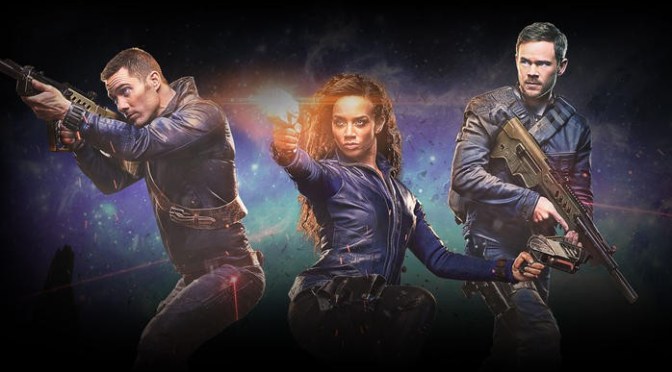


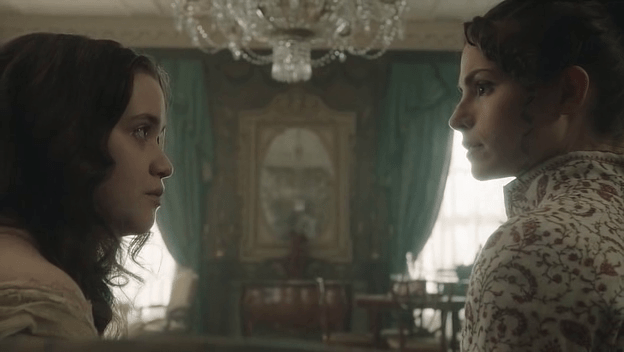
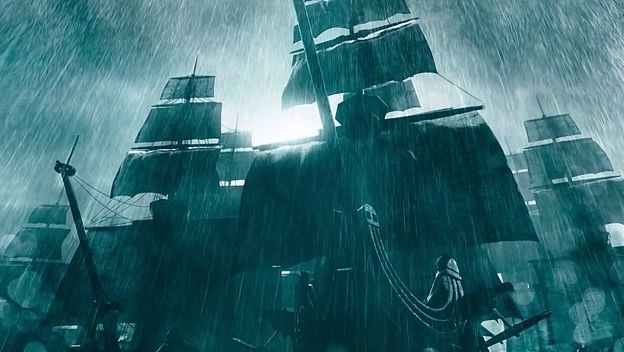
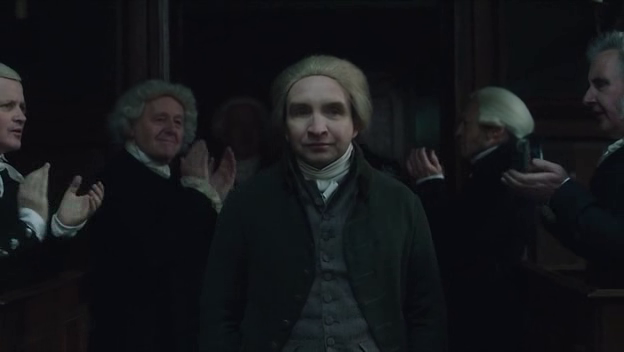
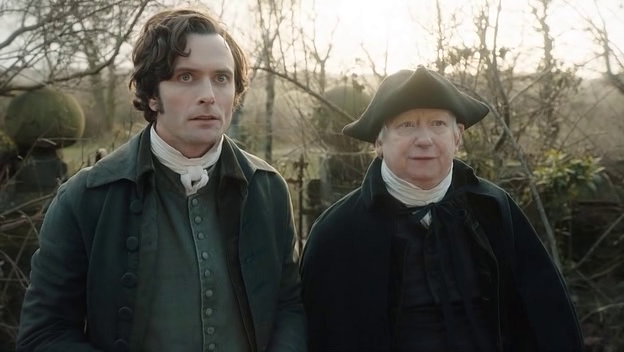
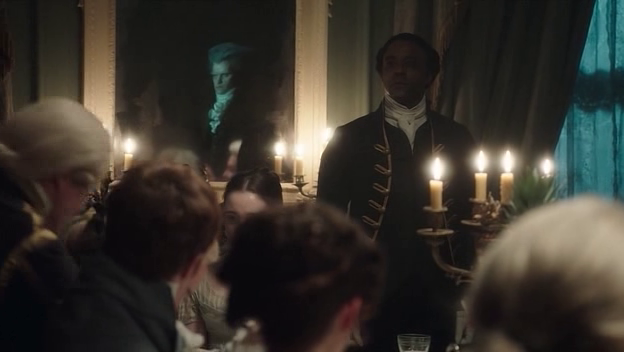
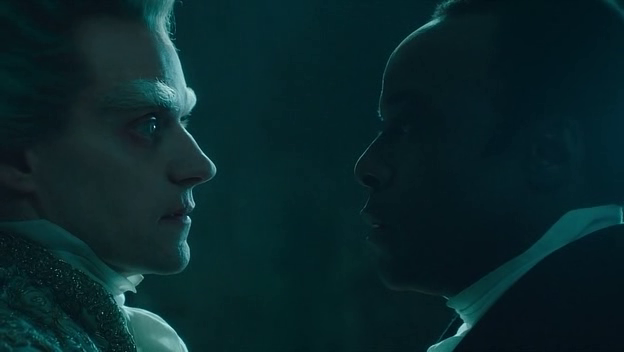
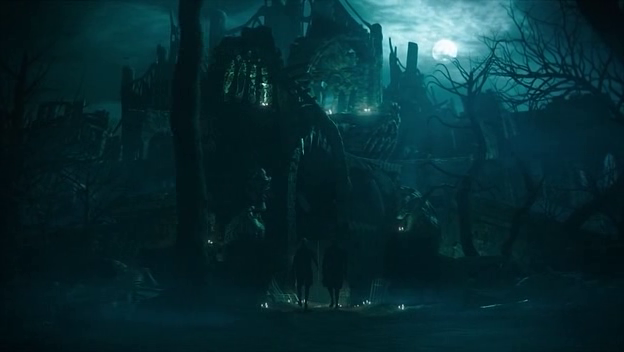
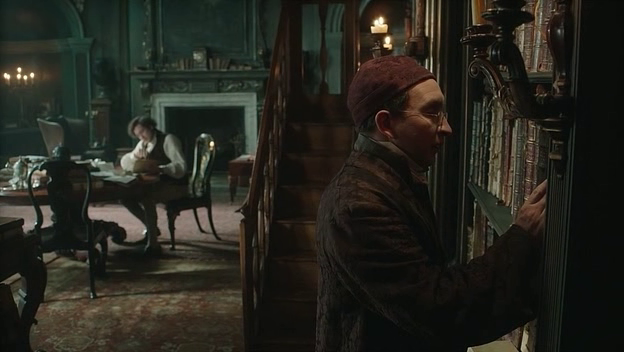
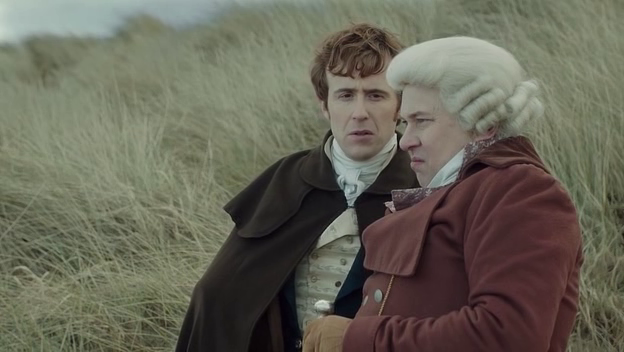
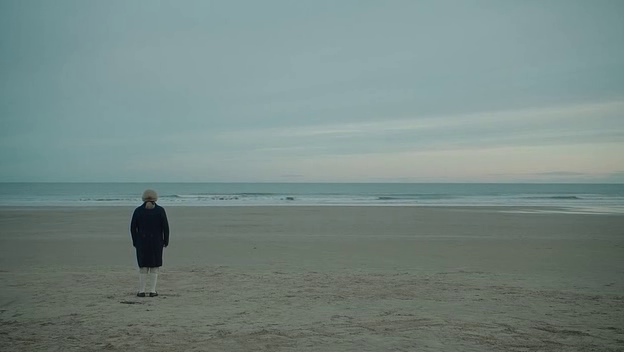
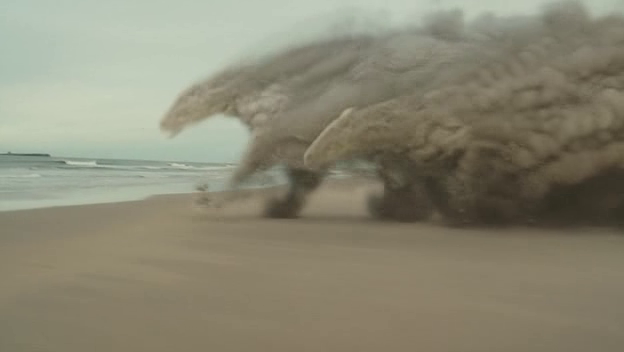
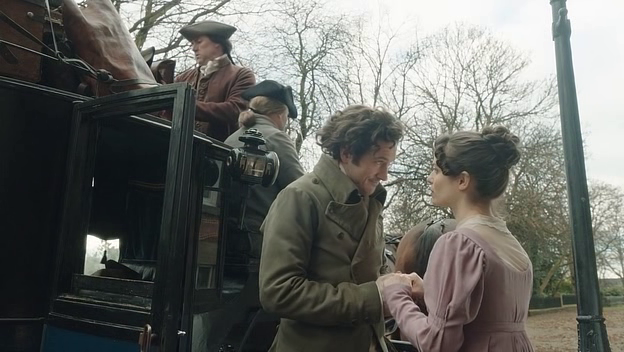
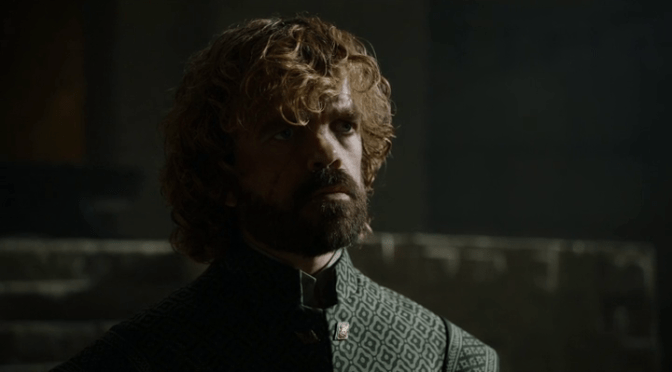
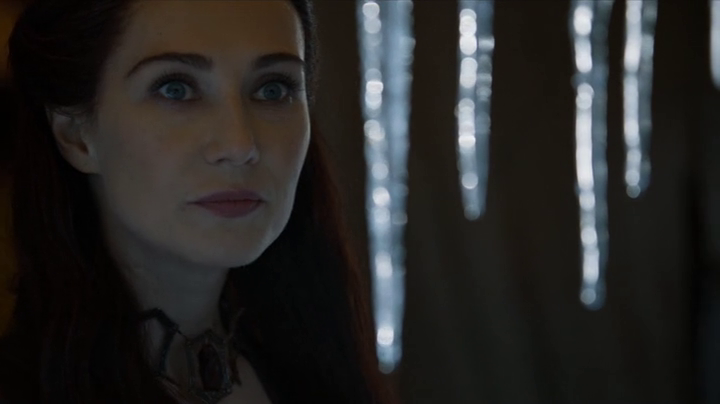
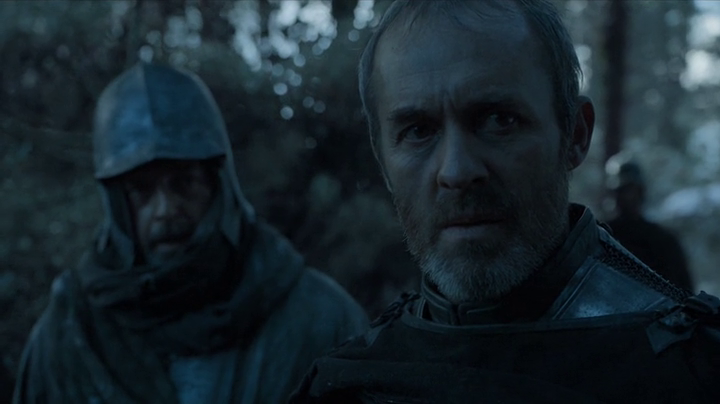
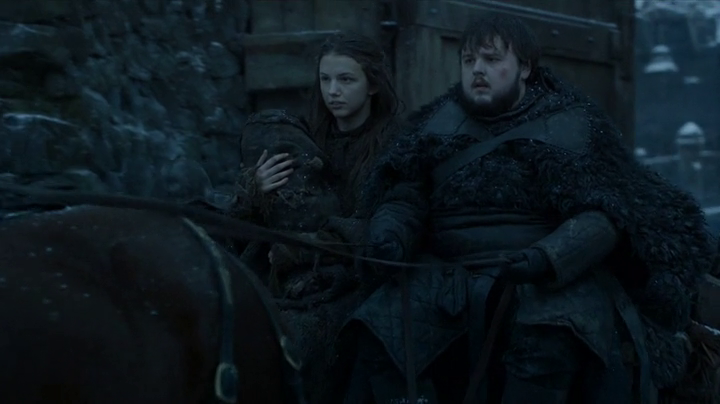
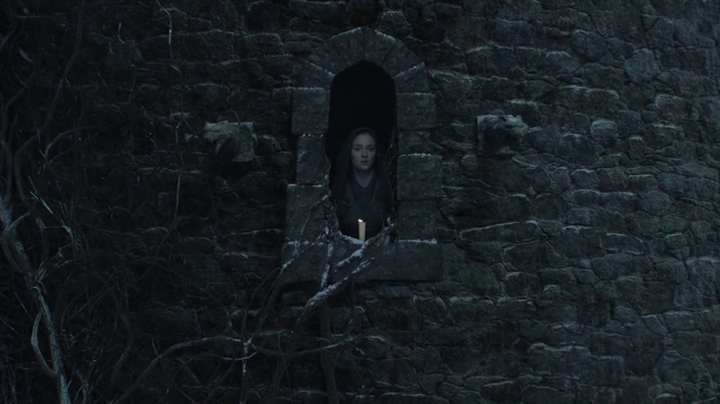
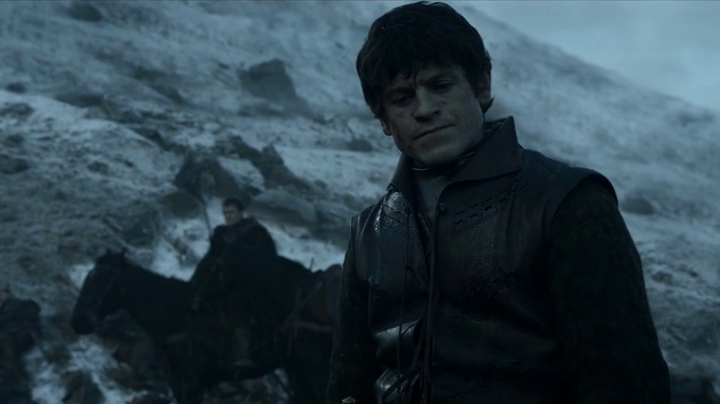
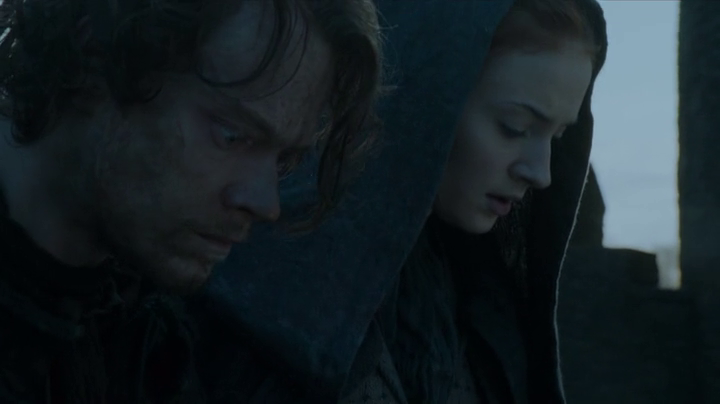
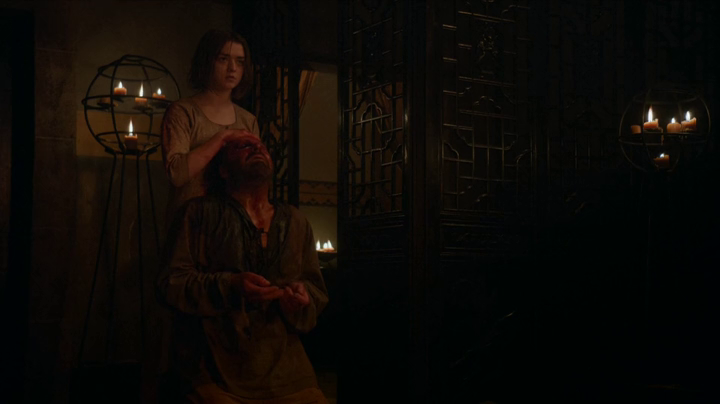
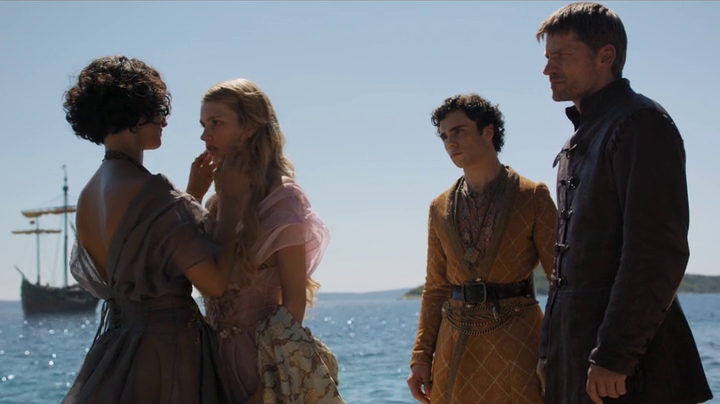
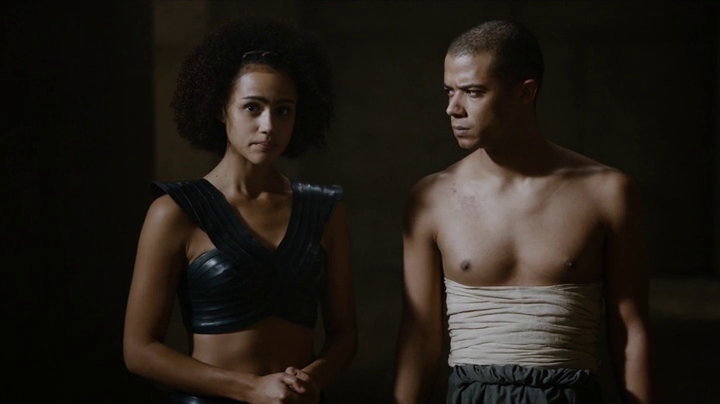
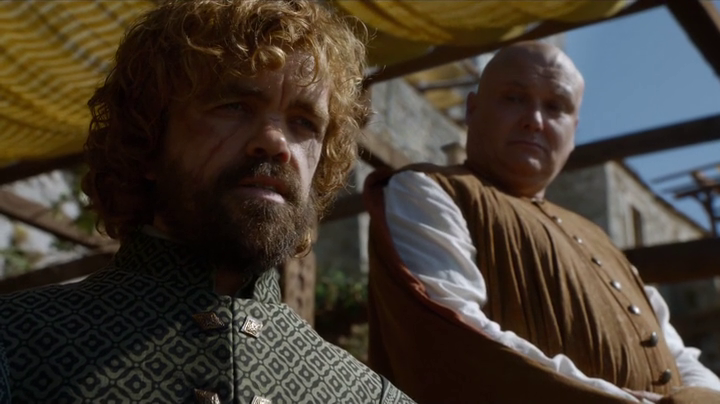
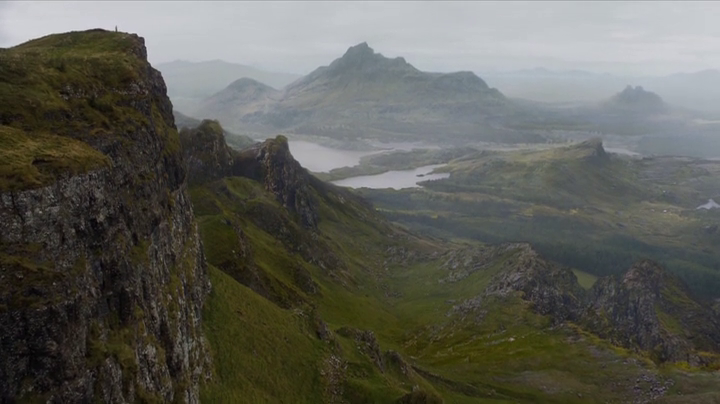
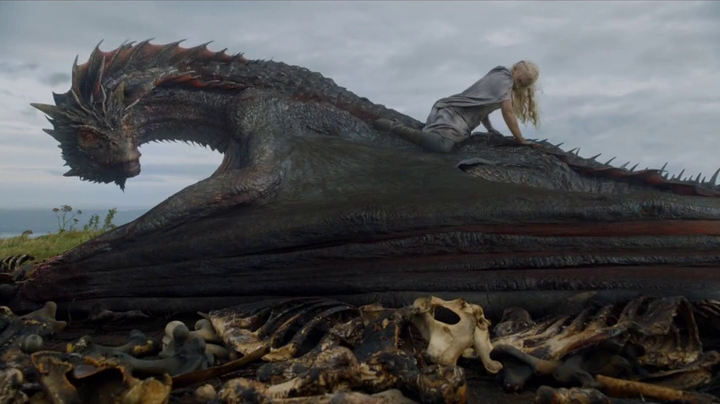
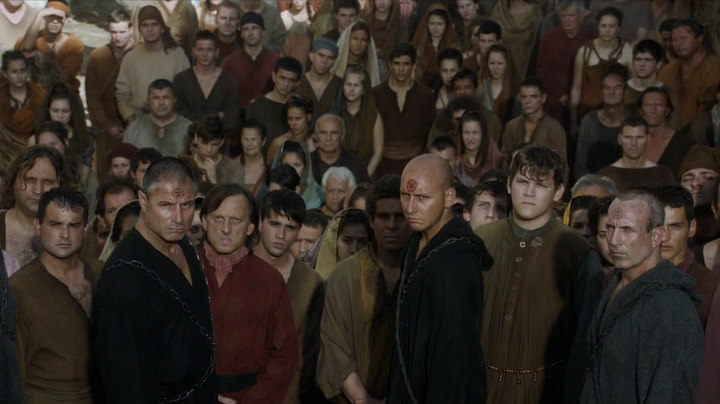
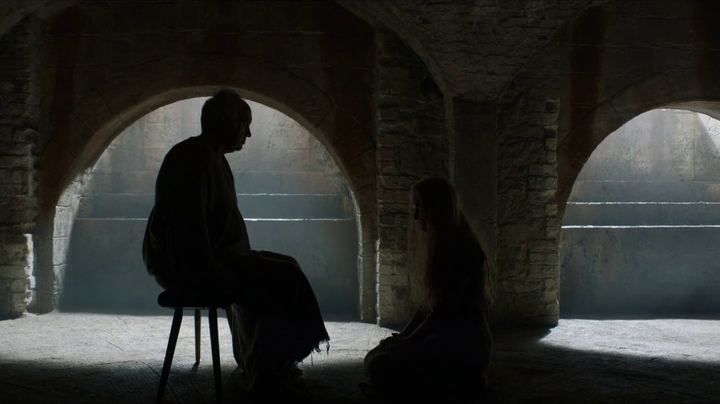
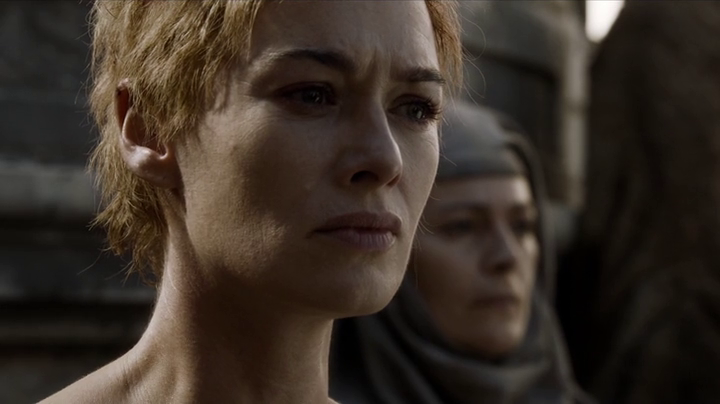
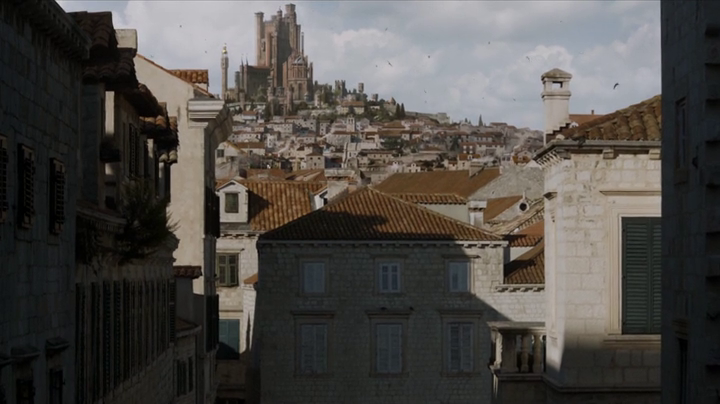
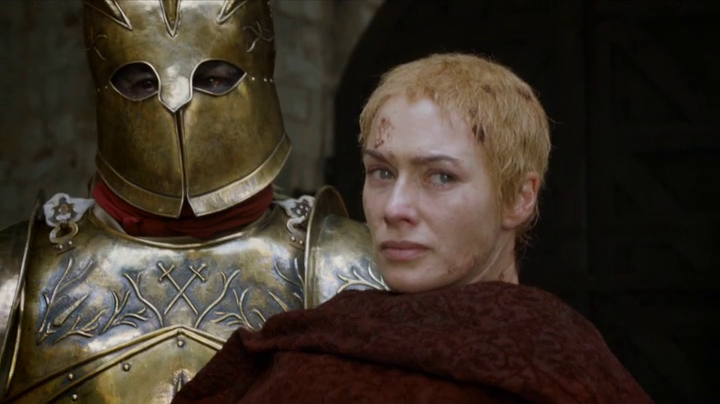
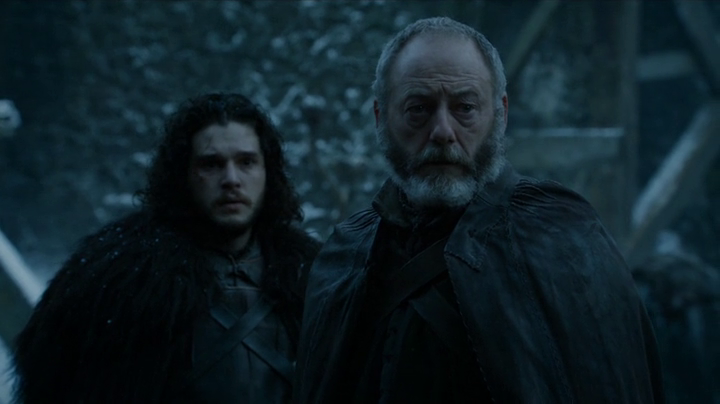
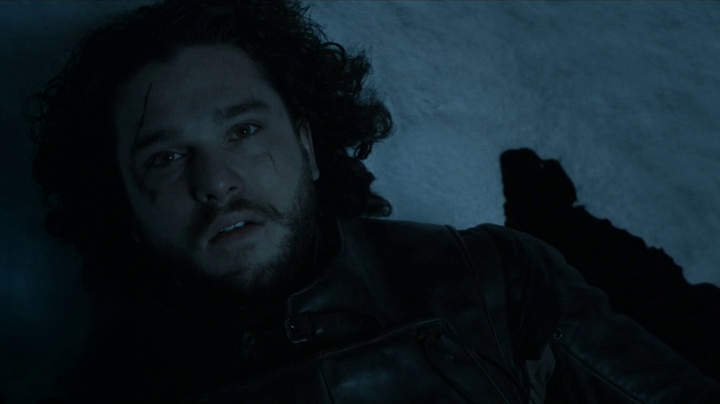
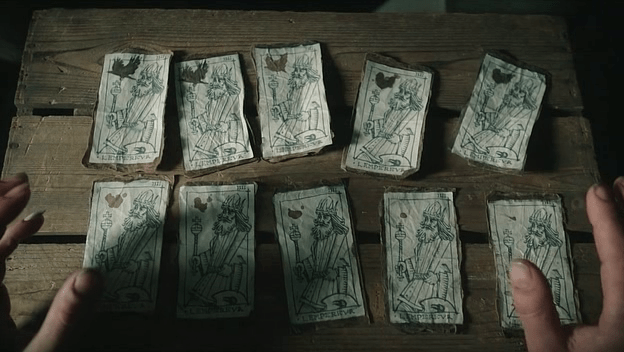
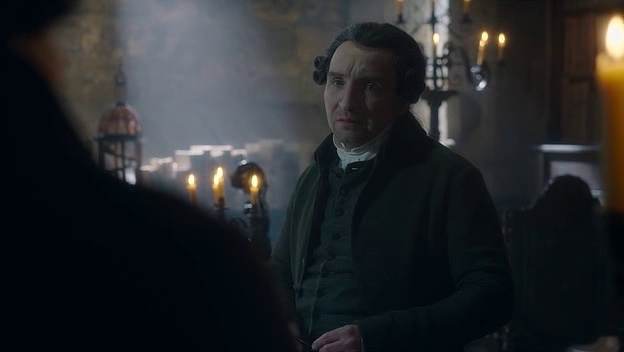
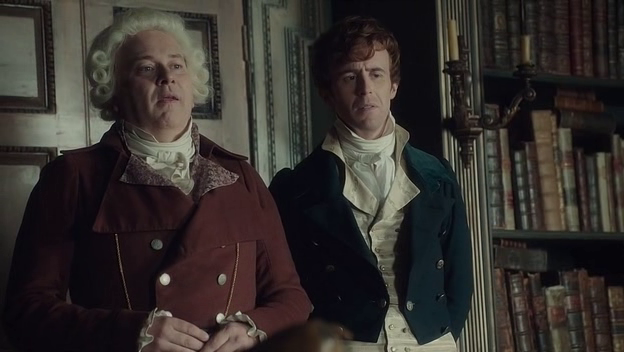
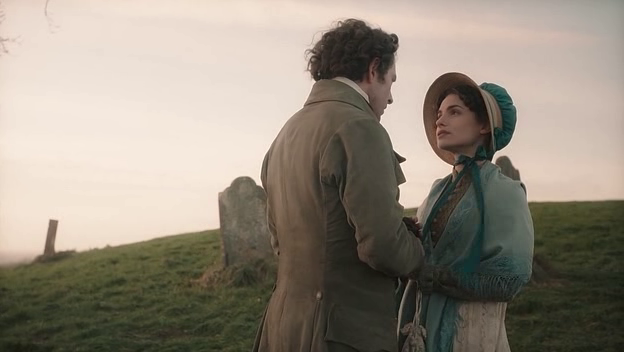
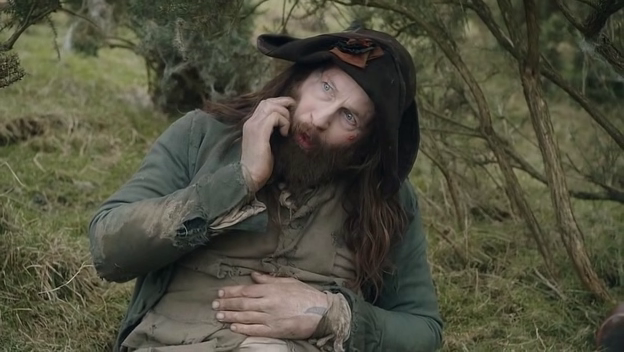
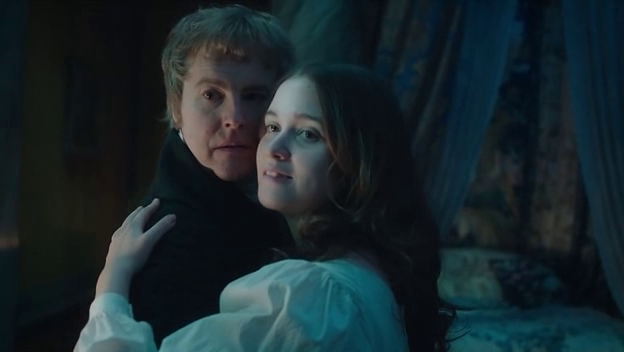
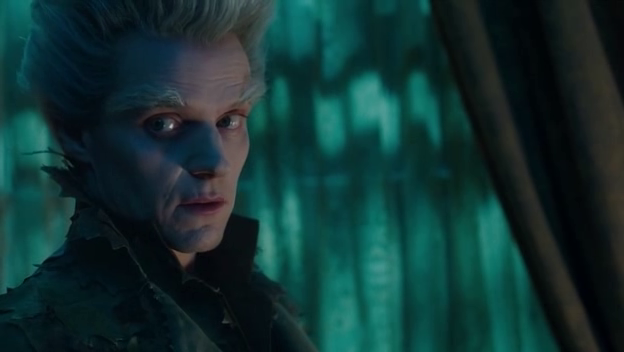
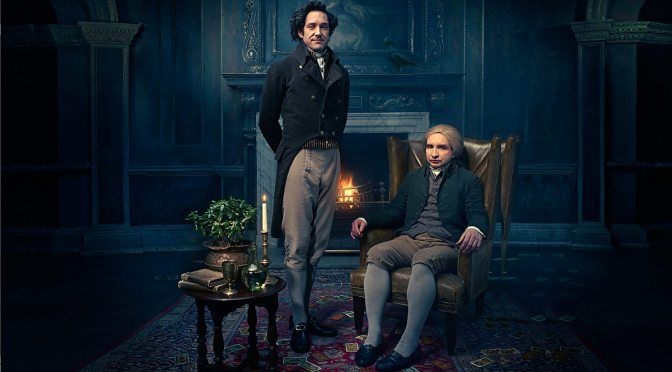


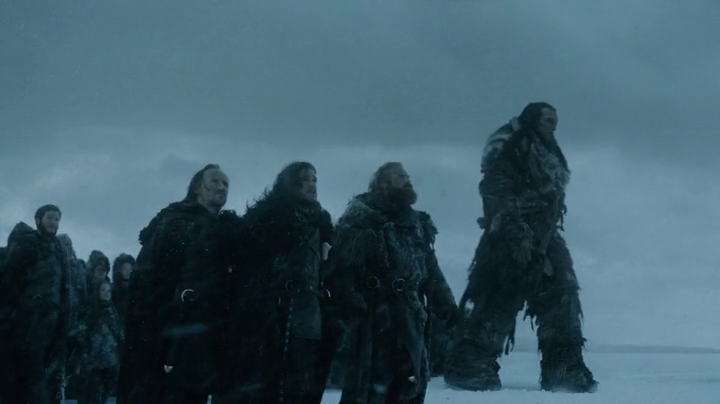
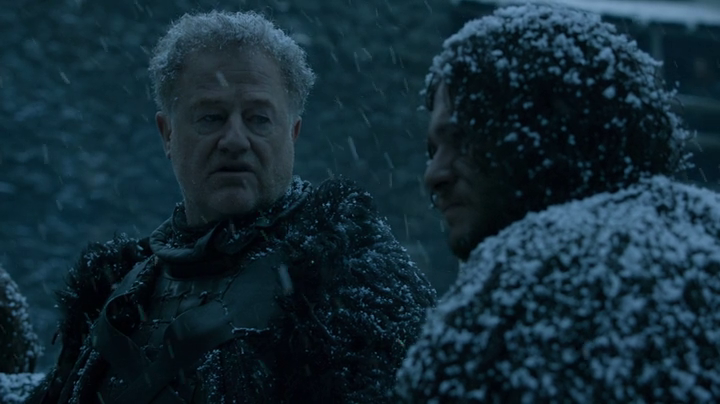
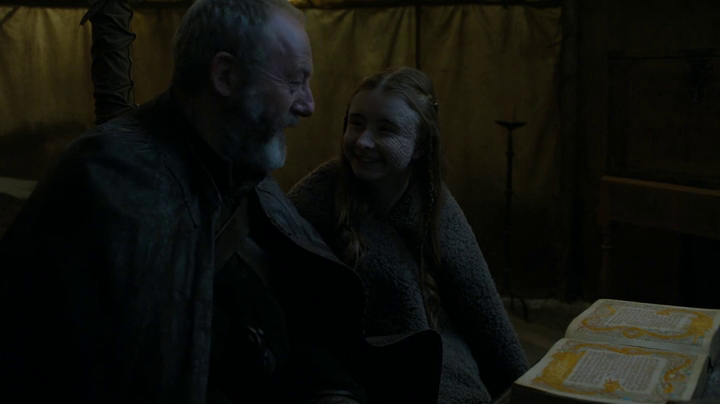
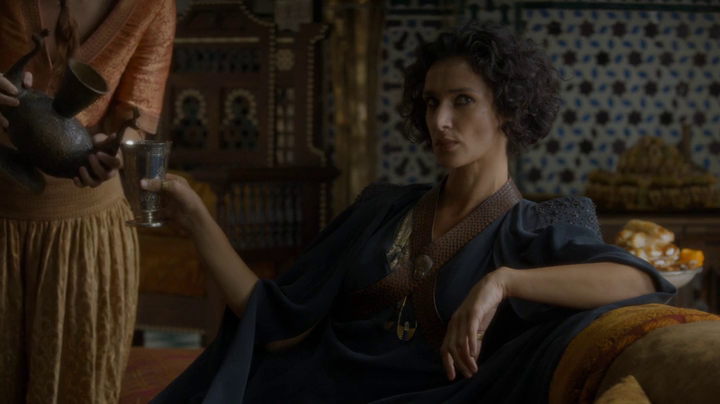
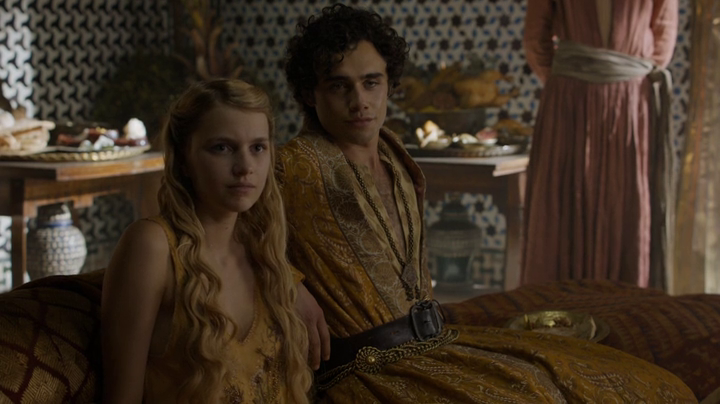
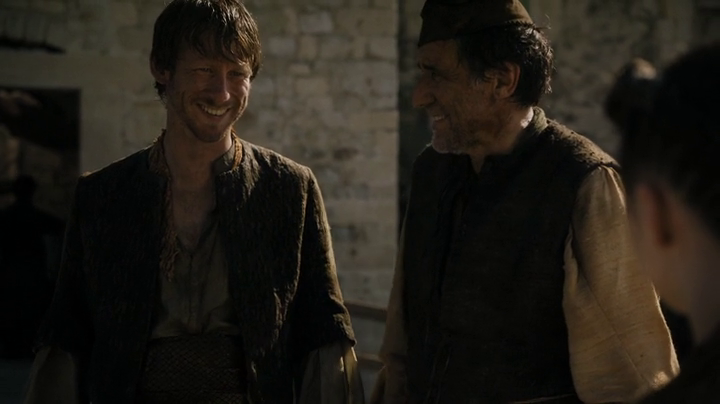
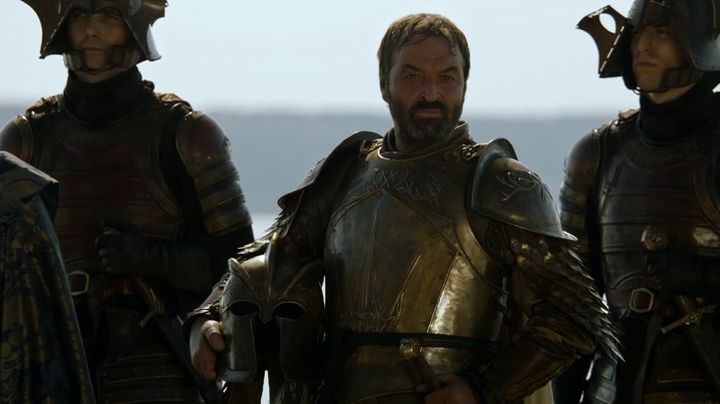
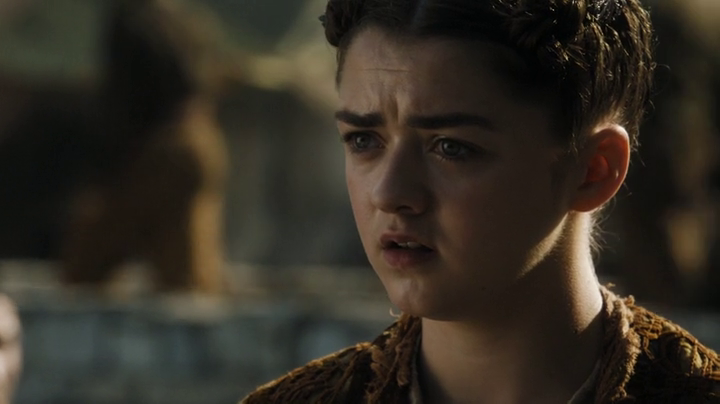
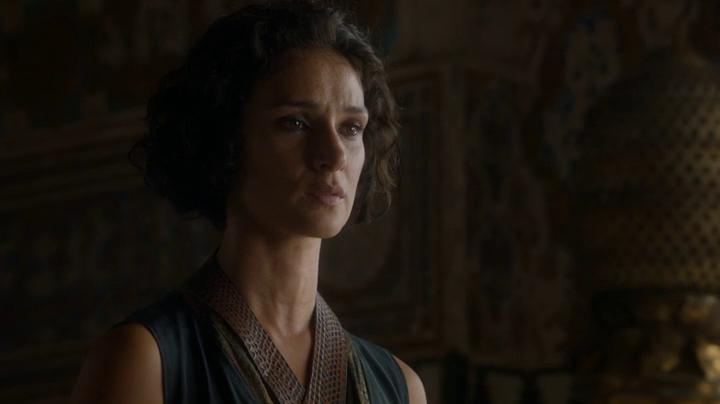
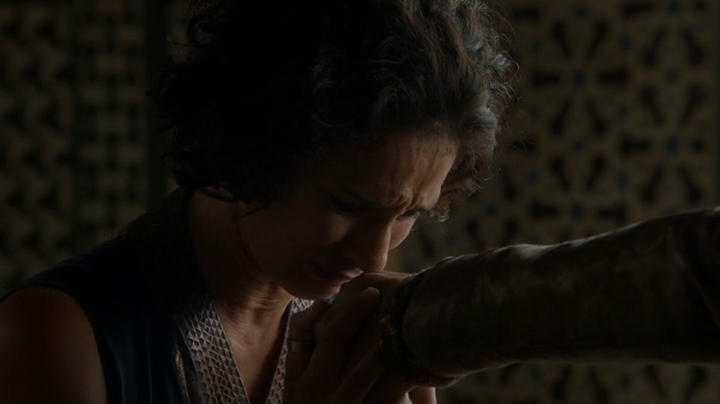
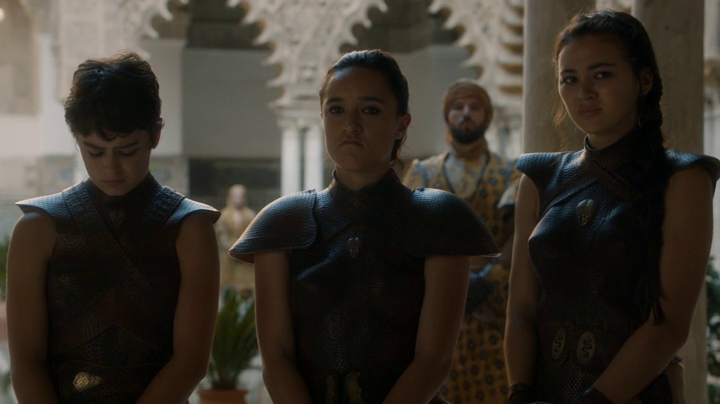
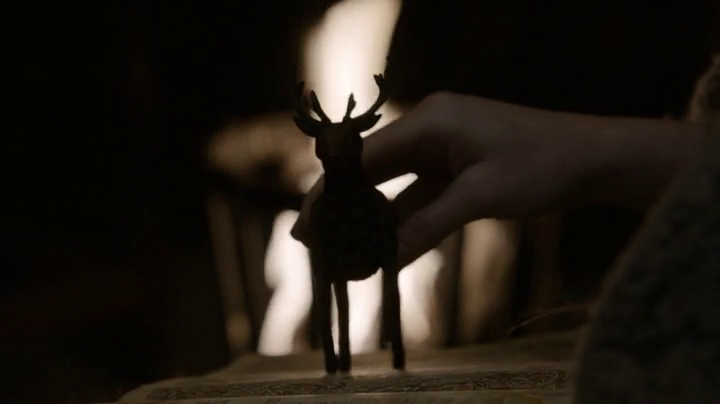
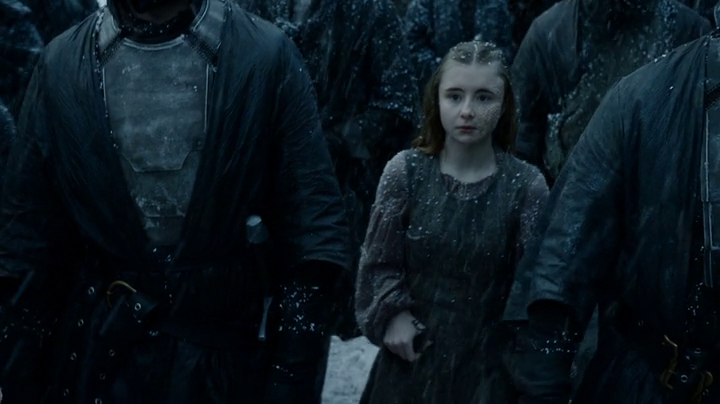

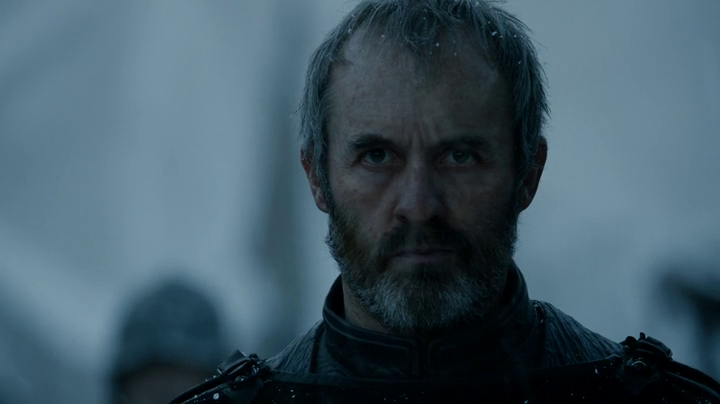
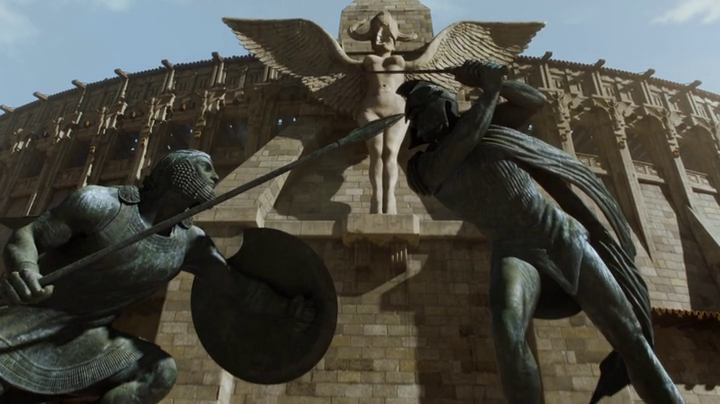
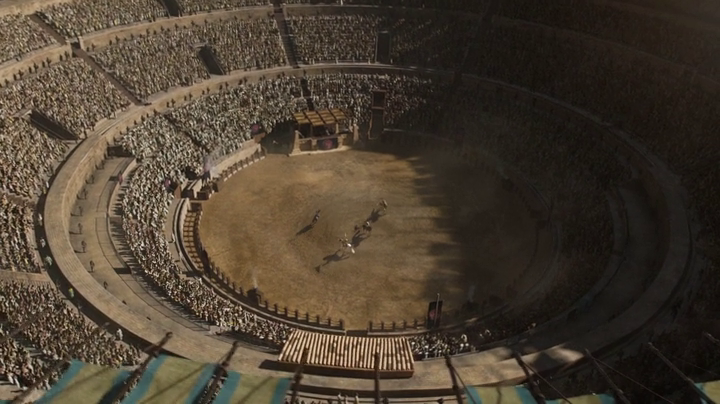
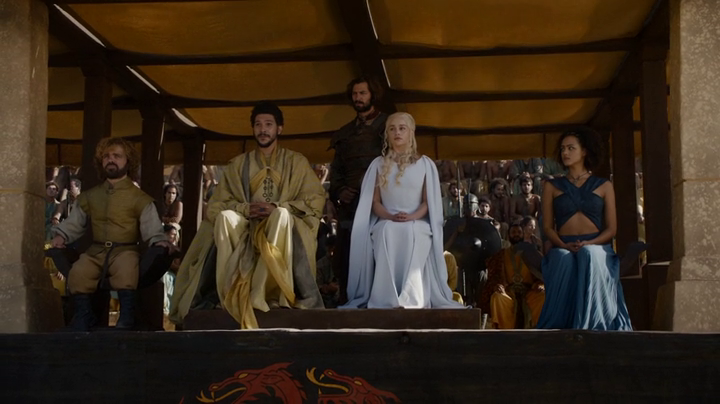
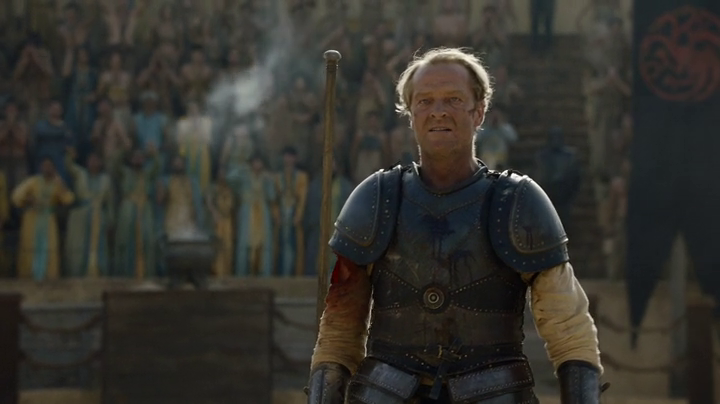
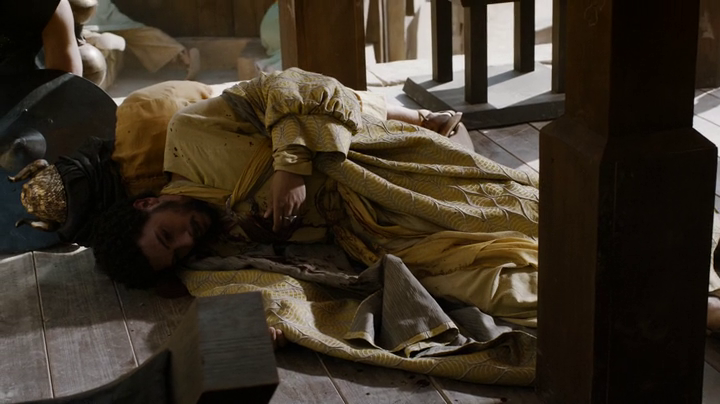
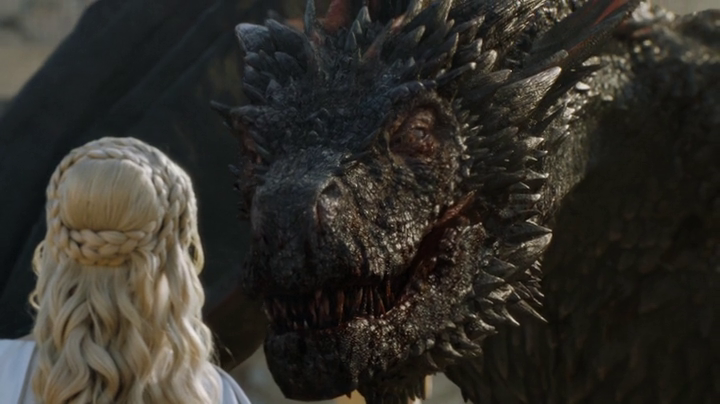
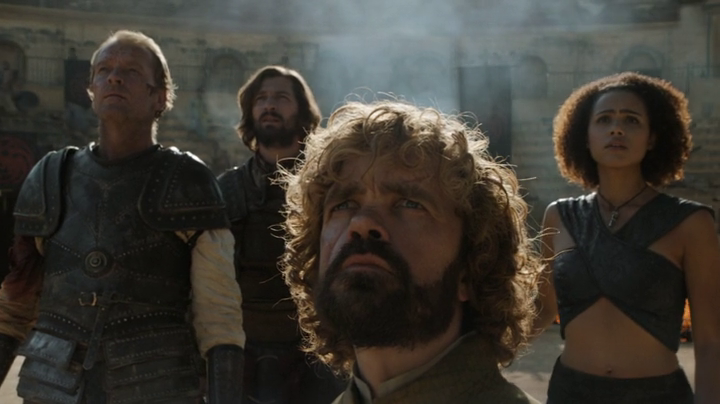
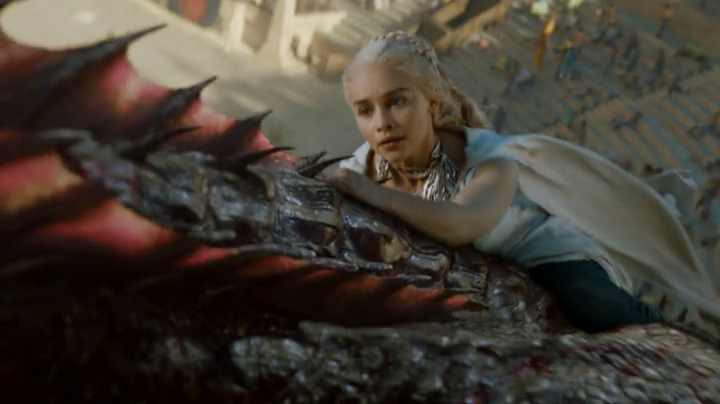
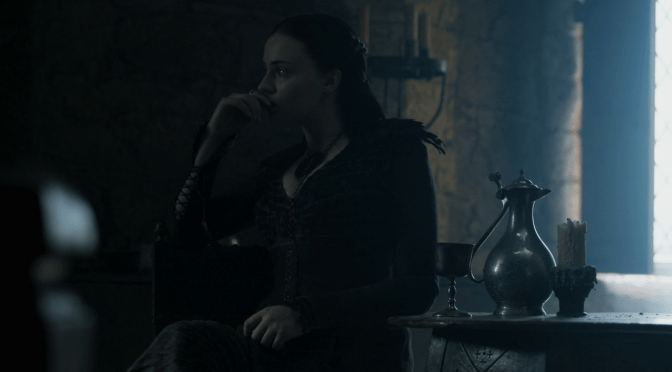


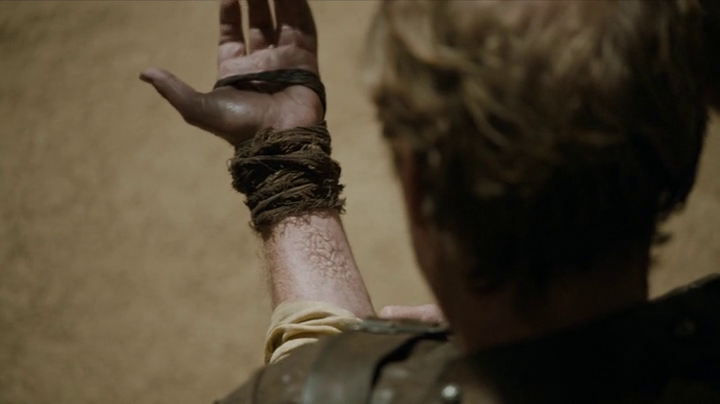
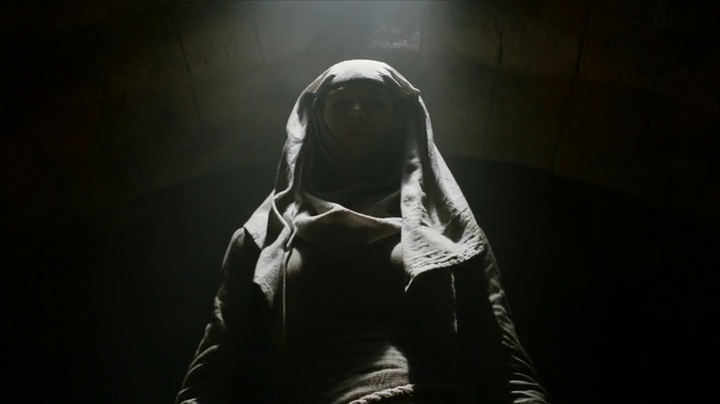
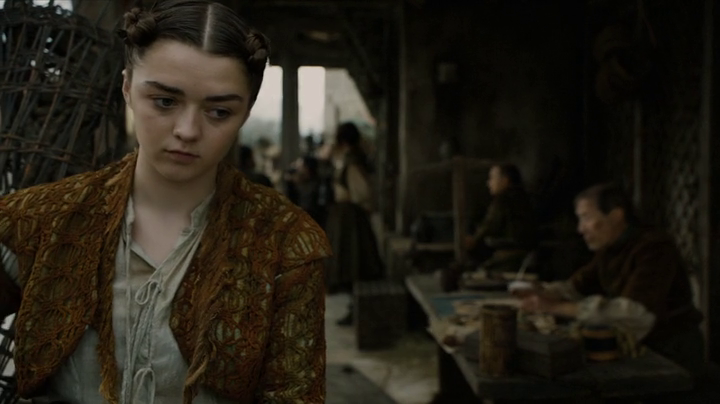
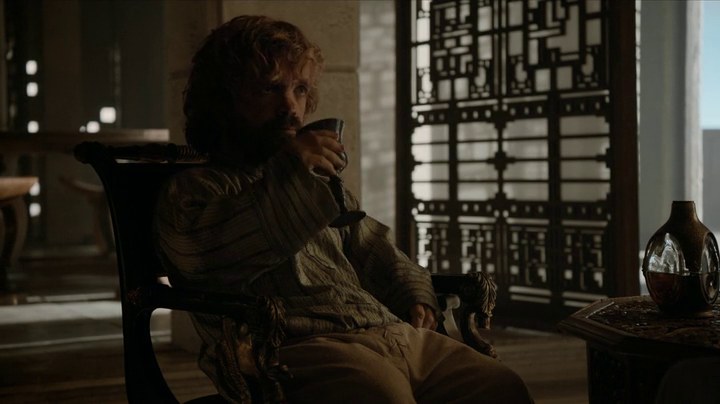
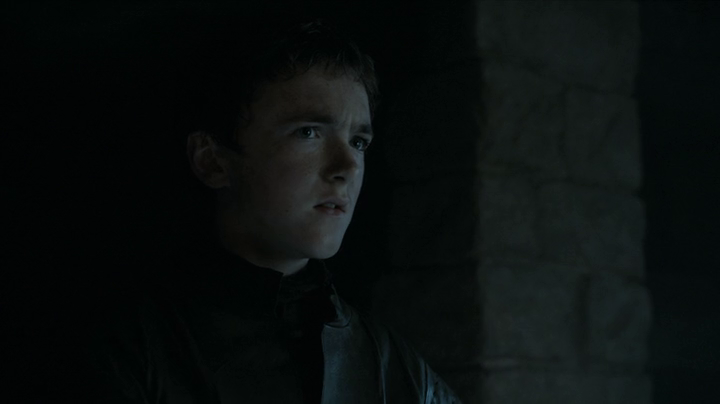
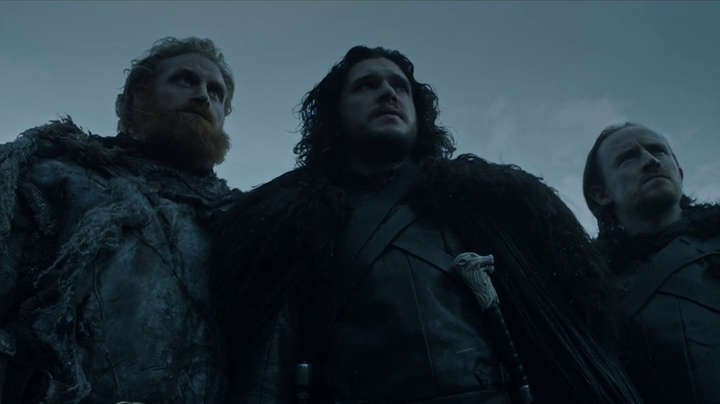
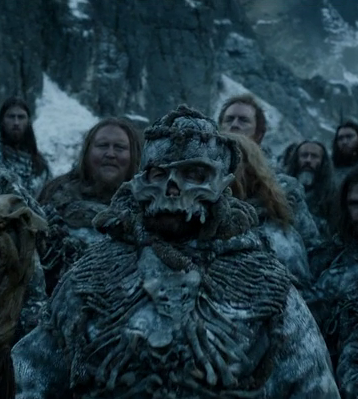

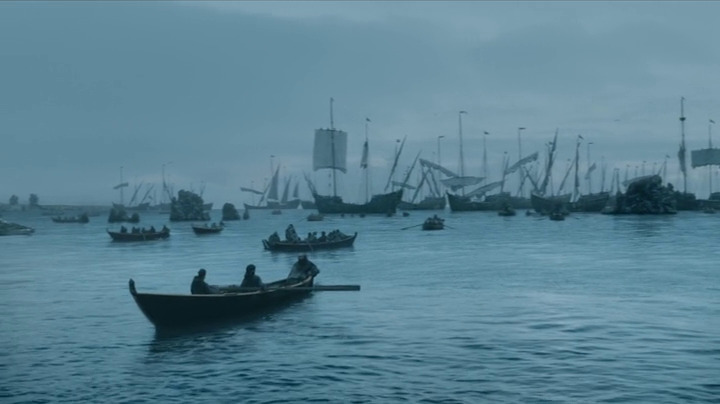
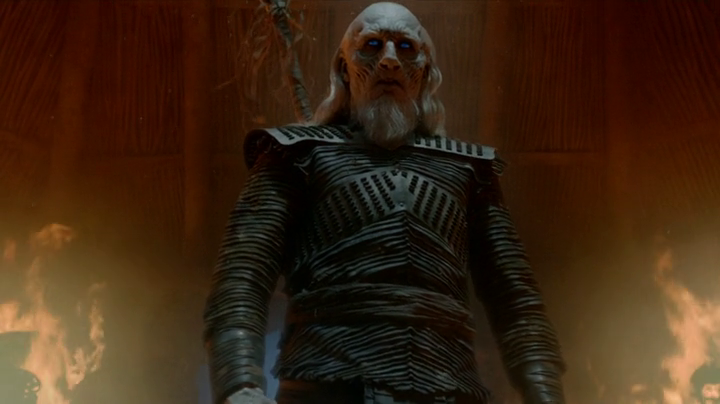
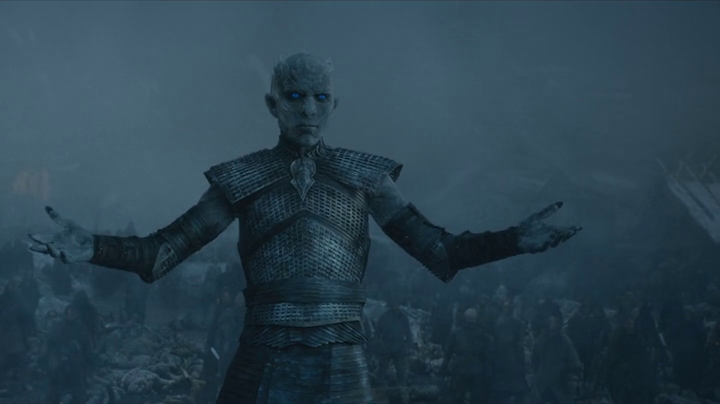
 SF Bluestocking