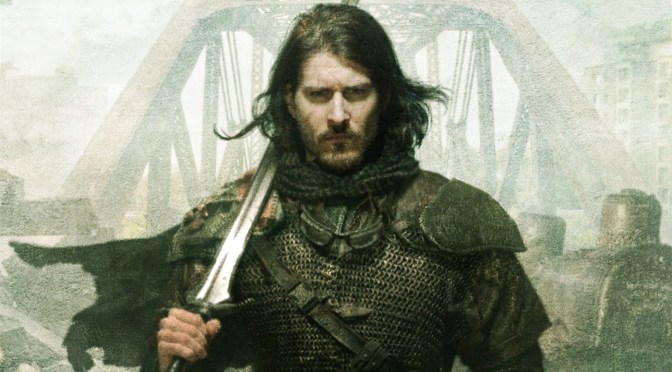
Book Review: The Emperor’s Railroad by Guy Haley

The Emperor’s Railroad is an utterly pedestrian story that is only rescued from total mediocrity by some intriguing world building. Unfortunately, Guy Haley’s novella never manages to full utilize the potential of its setting, and the ending leaves the reader with far more questions than answers.

Told from the point of view of an elderly man, Abney, looking back on his childhood encounter with a Knight, Quinn, The Emperor’s Railroad details a harrowing journey as Quinn escorts twelve-year-old Abney and Abney’s mother from the ruins of their small town in what I guess is Pennsylvania to a different small town in Ohio. It’s not entirely clear, and it doesn’t really matter that much because the setting a really just so much set dressing for a very old and very dull tale. It’s cool set dressing, but there’s not really a lot of substance if you think about it for more than a minute.

So, basically, there was some kind of global war apocalypse that was followed up by a zombie plague some thousand years before the events of the story. In the centuries since, “angels” have taken up residence in some of the major cities east of the Mississippi—Pittsburgh, Columbus, and others—from which they rule large territories that are additionally broken up in a sort of feudal system of kings and lords and even at one point an emperor, all of whom are beholden to the angels. The angels seem to have retained some science and technology, and they seem to have at least some measure of control over the armies of Dead that still ravage the countryside.

The Dead, along with a “dragon” set to police the borders between a couple of territories, are the dangers that are most immediately relevant to the story here, though, which I guess is good because none of this makes much sense. It’s neat, and I like some of the ideas, but Haley both over- and under-explains here. There are a lot of details that hint at a complex and potentially interesting world, but there’s not enough explanation for how or why this world came to be. Sure, the “angels”—though they obviously aren’t really angels—are kept mysterious, but their motives are also completely opaque, and while it’s clear that these overlords are managing the ugly and unjust world as we find it in the story, what’s not clear (at all) is how this benefits them. The subjugated towns and downtrodden populace live miserable lives, but they don’t seem to pay taxes or tithes of goods to the Dreaming Cities. In fact, travel and trade of all kinds is shown to be nearly impossible. It just doesn’t make a lick of sense.

Abney’s mother, Sarah, is the only female character in the book, and she’s not particularly present in the story. She exists largely on the edges of the story and her primary purpose in the narrative is to die so that Abney can survive. She does get a bit of backstory about how she’s a valuable commodity in a world with few fertile women left, but though Abney loves his mother and is saddened by her eventual—and heavily telegraphed—demise, The Emperor’s Railroad is primarily about Abney and Quinn and how meeting Quinn changed the way Abney saw the world. Quinn is a pretty standard lone wolf itinerant hero, though, and there’s not much to distinguish him from other characters of his type. He’s stoic and self-deprecating and gruffly kind, and when he discharges his duty he moves on to new adventures. That is to say, he’s nothing special.

Perhaps this story deserved to be told in a novel length work in order to take better advantage of the author’s considerably imaginative world building, or perhaps it’s a world that ought to have been explored through a different character’s (Sarah’s, perhaps?) perspective. Either way, The Emperor’s Railroad doesn’t quite manage to be terribly interesting. It also feels a little too reminiscent of the other recent Tor.com novella, Pieces of Hate by Tim Lebbon, which dealt with another type of itinerant hero and opened with a novelette that was a similar type of boy’s-adventure-with-hero-passing-through kind of story. Still, it’s for the most part a highly readable and mostly-enjoyable introduction to the world of Guy Haley’s Dreaming Cities. I don’t expect that these will be among my favorite of Tor.com’s novellas, but I’m looking forward to the next one, if for no other reason than I’m hoping to find out some of the answers to all the questions I have about how this post-apocalyptic world works.

The Emperor’s Railroad will be released on April 19, 2016.

This review is based upon an advance copy of the book received for review through NetGalley.

iZombie: “Dead Beat” and “Salivation Army” were an amazing end to a great season

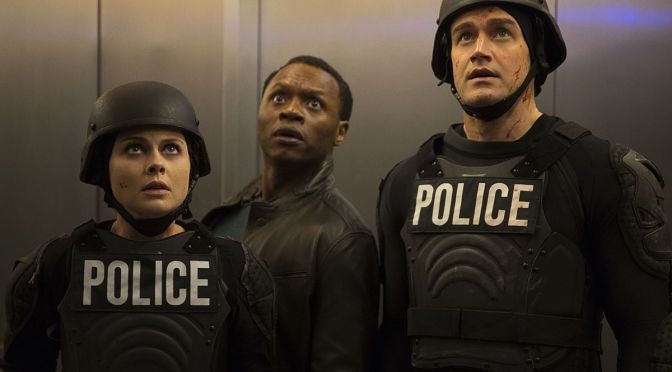
Wow. Just. Wow. iZombie sure knows how to end a season. It would probably be impossible for a show as sprawling and juggling so many concurrent plots as iZombie to wrap everything up to everyone’s satisfaction, and I do have some issues with the finale, but mostly I’m just blown away by how overall excellent it turned out to be. Between “Dead Beat” and “Salivation Army” there was enough resolution to feel some closure at the end of the season, but there are still a few loose ends and a potentially great setup for next season’s big bad.

“Dead Beat” is all about the fallout from Major’s arrest at the end of last week’s episode, and it brings all of the Chaos Killer stuff to a satisfying, if heartwrenching, close. It’s legitimately great television, possibly the best episode of the season. Dale and Clive struggle to build their respective cases against Major while Ravi and Liv try to find a way to get Major the brains that he needs to stay human, and it’s so tense. The episode opens with the FBI showing up to search Ravi and Major’s house, which totally blindsides Liv and culminates in Ravi’s arrest as a possible accessory to murder.

Things get worse before they get better, though. The show is a little hand-wavy about exactly how Ravi avoids charges, but he’s soon out of police custody and able to work with Liv and Peyton to try and find solutions to Major’s problems. With Ravi and Liv both cut off from the morgue, they go to Blaine for brains, only to be denied by Don E, who is still taking advantage of Blaine’s amnesia in order to take over the business. Next, Ravi and Liv decide to unfreeze one of Major’s “victims” in order to weaken the case against him, only to find that someone else has already found Major’s storage space and removed the bodies.

This whole episode is an exercise in creating just the right amount of tension for the characters so that it’s believable and the stakes feel truly high, and it’s proof that iZombie isn’t afraid to go dark. Things get seriously harrowing as Major’s condition deteriorates, and the sense of urgency that pervades the episode is marvelously crafted and makes Liv’s eventual confession to Clive about all the zombie stuff—and Clive’s reaction—a great scene of high drama. This drama is further heightened by the amount of time “Dead Beat” dedicates to Clive and Dale’s police work. These two work really well together, and though their relationship hasn’t gotten a ton of screen time in the back half of this season they have an easy chemistry and a lived-in dynamic that feels real and makes the fallout from Clive’s decision to drop the case against Major hard to watch. I’m not entirely thrilled with Dale being gone—though I think we can still hope to see her next season—but at least she didn’t die tragically.

Dale’s confrontation with Clive is only topped in this episode by the penultimate scene in the morgue, when Liv is attacked by Vaughn’s hired gun, Janko, and Ravi comes to the rescue. It’s not often that we see Rahul Kohli do such physical work on the show, but he pulls it off. I loved that he was so quick on the uptake and didn’t even pause before rushing out to retrieve Liv from the assassin. Kohli also really sells Ravi’s trauma after killing the man, and his shell-shocked reaction felt natural to the character. My only quibble here is how quickly he seemed to recover at the end of the episode. I always enjoy the Liv-Major-Ravi-Peyton friend group hanging out together, and their final get together here is in some ways a nice way to end an overall extremely dark episode, but Ravi’s quick recovery after killing a man in self-defense and Major’s similarly speedy rebound from his time in jail both felt a little too sunny. That said, the moment passes quickly, interrupted by Liv’s vision of the rest of Major’s abducted zombies, who are still alive in Vaughn Du Clark’s basement laboratory.

“Salivation Army” (which is an amazing episode title) opens the morning after Liv’s vision. Peyton is upset because the mayor has called off her investigation of Mr. Boss’s crime ring, and the whole gang has to figure out what to do about the zombies locked up in the Max Rager basement. Fortunately, Major has a plan, albeit a shaky one, to infiltrate the upcoming party that Vaughn is throwing to celebrate the sale of the company to some obviously shady military contractors—Fillmore Graves Enterprises, which is an excellently silly name.

Meanwhile, Mr. Boss is making his move against Don E, sending a couple of his hired guys to take out the competition. Poor Chief takes a bullet between the eyes, but Don E manages to only take a couple to the chest, while also deflecting attention to Blaine. The ensuing B-plot is by far the weakest part of the finale, unfortunately. After apparently getting back together with Ravi early in the episode, Peyton finds herself kidnapped by Mr. Boss’s guys in order to draw out Blaine based upon Don E’s claim that Blaine was in love with the DA. This leaves Ravi and Blaine to work together in order to rescue Peyton—they play the damsel in distress trope pretty straight—and leads to a bizarre sequence in which Blaine (still supposedly suffering from amnesia) rushes in like John McClane to save Peyton, and then Ravi walks in on Blaine comforting Peyton and feels jealous. It’s a subplot that borders on nonsensical, utilizes stupid sexist tropes, and doesn’t actually resolve the Mr. Boss storyline, Blaine’s amnesia, or anything else at all. I’m fine with having Boss carry over into the next season since I like him as a villain, but I could have done without literally everything else that happened regarding him this episode.

On the bright side, the Max Rager plot works really well, and I loved getting to see Liv, Major, and Clive work together to deal with the zombie outbreak at the party—obviously this was a thing that was going to happen after all the teasing and threatening of the zombie apocalypse in the last couple of episodes—and, ultimately, deal with Vaughn Du Clark. The final sequence in the Max Rager basement is for the most part really well-done, if a bit rushed-feeling. It’s basically just an emotional rollercoaster as Liv and company find the imprisoned zombies, encounter Rita, are separated by Vaughn, figure out that Drake has been damaged by the “cure” that was tested on him, have to fight their way free of it all again, during which Liv has to kill Drake to save Clive, then Major abandons Vaughn to Rita… It’s a whole lot of climax to jam into just a few minutes in a single episode, but they manage to pull it off, leaving me with just a couple of quibbles.

First, I would have liked to see Liv get a little more time to mourn Drake and process her having to be the one who killed him. Sure, I get the feeling that really this whole thing is more about Liv’s friendship with Clive than anything else, but still. Drake played a relatively significant role in Liv’s life this season, and it seems like his death was about everything but him and his relationship with Liv—especially since getting Drake out of the way opens the door to Liv getting back together with Major again. I’m not a huge fan of love triangles, but this is the second time that Liv has had a love interest killed off in order to make room for Major. If they’re an endgame couple, fine, but simply killing off other guys when they become inconvenient is lazy writing, and it diminishes any emotional investment the audience can even have in Liv’s love life if we know that her boyfriends are disposable.

Second, I’m a little bummed out about Rita dying. Her time as a zombie, and especially her final interactions with her father, made her a somewhat more sympathetic character, and I would have loved to see what she would do while under the influence of Vaughn’s brain. She would have made a great sidekick to Vivian, even, if she could have ingratiated herself to the new boss. Alternatively, she could have been an interesting frenemy for Liv if the show would ever seriously consider dedicating some time to Liv’s relationships with other women. It just seems like a missed opportunity, is all. There’s a certain sense of justice to the way that Rita and Vaughn met their ends, but I just really liked Rita and could see other potential uses for the character even in the absence of her father.

Of the two episodes that make up the finale, “Dead Beat” is definitely the stronger one, focused as it is, really, on just barreling towards bringing Clive in on the zombie secret and doing a last little bit of final setup for “Salivation Army.” The final episode of the season is sadly weighed down by a frankly ridiculous secondary plot. It wasn’t awful, though, and Vaughn’s ending in particular was a pretty much perfect way to wrap up this chapter of the show. Passing the villain torch to Vivian and her zombie army creates a ton of new and potentially interesting storytelling opportunities, and I can’t wait to see what happens next.

Miscellaneous thoughts:

  • Brant Stone is exactly the sort of delightfully sleazy lawyer I would expect to be friends with Vaughn Du Clark.
  • “We now take Bitcoin!” Oh, Don E. Never change.
  • I can’t wait until Blaine gets his memories back, if he hasn’t already. Amnesia Blaine is just not that much fun to watch.
  •  “…as a friend.” Clive is generally so undemonstrative about his friendship with Liv, and his pleading with her to think about her decision to stand by Major is genuinely touching and represents a real evolution of the character.
  • Major and Liv are definitely the biggest Peyton and Ravi shippers of all. Major’s “Sup!” and the looks of delight on both their faces might have been the single funniest moment of the night.
  • “A prison theme. White people.”
  • “Who knew that this evil underground lair gig would have actual perks?”
  • “A massive zombie outbreak means never having to say you’re sorry.”
  • Vivian Stoll is already a fascinating character, and she basically steals every scene she’s in. The Matchbox 20 cover at the end while Vivian and her people snack on Rob Thomas’s brain helps to create an absolutely perfect final tableau to end the season with.
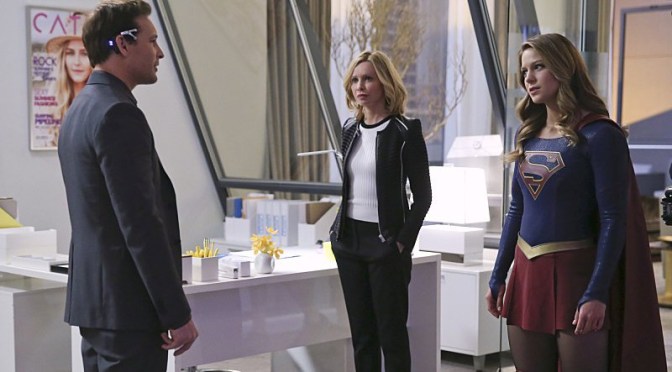
Supergirl: “Myriad” is a very dull setup for next week’s season finale

“Myriad” is almost entirely setup for next week’s season finale of Supergirl, but it’s sadly just not that compelling. The characters who aren’t mind-controlled mostly flail around ineffectually, and the moments of emotional resonance that usually make this show worth watching are few and far between this week. It’s capped off with what passes for a cliffhanger ending on this show, but the stakes still feel relatively low and the pattern of events for next week’s finale already feels predictable and, frankly, boring. To get there, though, we first have to make it through this episode, which is boring enough on its own for two episodes and turns into a downright slog in its second half.

The hour starts out well enough, picking up just after the end of “World’s Finest.” Nearly all of National City is under Non’s Myriad mind control, including everyone at the DEO, where all but one of the prisoners are to be released. Only one—Maxima, Queen of the planet Almerac—actually gets loose, however, before Supergirl arrives and stops the process. The short fight that ensues Supergirl and Maxima is the only real action in the episode, however, and Supergirl is primarily focused with disabling the DEO systems and taking out Lucy Lane and the other agents without seriously injuring them. This is all over with in the first four minutes of the episode, however, which leaves a lot of time to fill with stuff that’s not action.

After leaving the DEO, Supergirl flies straight to the Fortress of Solitude to find out more about Myriad in the hope of finding a way to stop it. Unfortunately, the little robot guy there is no help at all, and the hologram of Kara’s mother isn’t much more help, which sends a dejected Supergirl back to National City, where she spends some more time frantically wandering around and trying to come up with some kind of plan. Lucy Lane’s dad is surprisingly helpful, but the real surprise is when Supergirl is pacing around CatCo in distress and Cat Grant walks in like everything is totally normal. This is kind of hilarious until Maxwell Lord arrives hot on Cat’s heels with a smirk and several infuriatingly glib and too-convenient explanations.

While Max is teasing some kind of plan—it’s a bomb, obv—Non shows up. Probably the biggest problem this show has is that it fails, utterly, to deal in any sensible way with real moral ambiguity, and this is highlighted in this episode in a series of situations that all start with Non’s arrival at CatCo.

First, Non’s goal (and Astra’s before) is not an entirely bad one. He sees the self-destructive trajectory of the human race—much like the successfully suicidal policies of Krypton—and wants to fix it. Unfortunately, the show portrays Non as almost nonsensically villainous instead of recognizing or working with the greyness of his character. Some noise is made about Non’s desire to not have to kill his niece, but with the near-absence of any interactions between them previously, it’s hard to care very much about their relationship or believe that either of them has any sincere attachment to the other.

Before Non leaves CatCo, he has James, Winn, and another CatCo employee, Kelly, all walk outside and fall off the sides of the building, putting Kara in the impossible situation of not being able to save all of them. However, Kelly is a character who has never been named before, and is essentially a throwaway character who exists only to be sacrificed in this manner as a matter of narrative convenience. Any emotional resonance of this scene is further diminished by the fact that it all happens so quickly and things move along so soon after that there’s barely a moment to spare to reflect on the tragedy. Certainly Supergirl herself seems to get over Kelly’s death extremely quickly. It’s a moment seemingly meant to suggest a weakness in Supergirl, but it doesn’t quite connect.

Finally, the whole business with Maxwell Lord’s bomb is a little silly. I love a good Cat Grant speech as much as the next person, and on the surface this one is excellent. Taken out of context, I love this talk between Cat and Supergirl, but within the episode it’s almost silly, coming off as Pollyannaish and preachy. A very generous interpretation would be that this scene is an exploration of the moral dilemma Kara faces in choosing whether or not to go along with Max’s plan, but I would contend that it’s actually a rejection of the dilemma. Indeed, Cat’s central thesis reminded me a little too much of the Fear and Love scene from Donnie Darko. Only the sheer earnest goodness of this show saved it from being completely ridiculous.

Meanwhile, Alex and Hank are still on the run. I’m not sure how much time, chronologically, has passed since they actually left National City, but they appear to still be on a bus out of town when it’s stopped by some shady-looking law enforcement flashing their pictures around. This scene is nicely done, even if the red glow of Hank’s eyes is a bit much—yeah, we get it, the little boy is Hank in disguise—but things are almost all downhill for this pair after that. When they arrive at the Danvers home (because that place is definitely not going to be being watched for the fugitives or anything like that), Eliza tells them the news about National City, and they promptly decide to go back, even though Alex will obviously just get mind controlled along with the rest of the humans.

By the end of the episode, of course, Alex is mind controlled and Supergirl has to fight her, though Kara does say she won’t do it, and that’s where the episode ends. I’d like to say that I’m excited to find out what happens next, but my dominant feeling by the end of this episode was just “meh.” Hopefully next week’s finale can manage to make some sense out of all this.

Miscellaneous thoughts:

  • I did love Cat’s Harrison Ford joke.
  • Superman showing up and getting mind controlled and Max’s explanation for it is one of the dumbest things this show has ever subjected us to. And that’s saying a lot.
  • “We’re way past villains of the week and kittens stuck in trees” is a passably good line.
  • Also “So mind control is the answer to global warming. Why didn’t I think of that?”
  • I’m not really sure why Indigo is necessary. Sure, Non is dull on his own, but the addition of a Lady Macbeth doing a cheap Mystique cosplay doesn’t improve things.

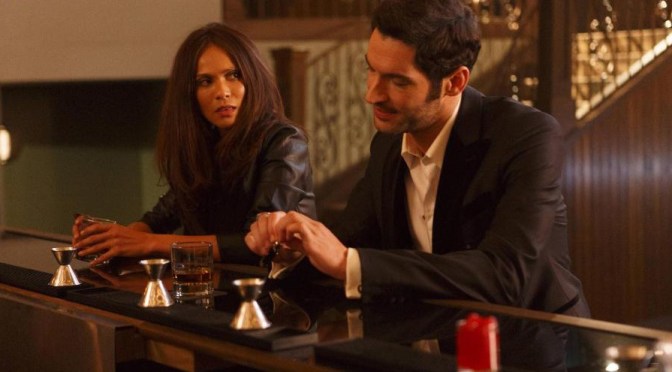
Lucifer: “St. Lucifer” is a mess of rape culture and mediocre-to-poor writing

I can’t help but feel as if Lucifer shot its wad a little early this week. Last night’s episode was an overall okay hour of television, but “St. Lucifer” somehow managed to feel both as if it rushed through story and as if nothing much significant happened. With just two episodes left in the first season, this one ends on a curiously ambiguous and frustratingly dull note. First, though, let’s talk a bit about how this episode is actually a pretty vile piece of rape culture.

The hour opens with Chloe waking up naked and hungover in Lucifer’s bed, which I guess seems like an obvious follow-up to the events at the end of the previous episode, but it’s a situation played for laughs that I just don’t find at all funny. The more I’ve thought about the ending of “Pops,” the more I hate that we’re supposed to think at all highly of Lucifer’s “self-sacrifice” in refusing Chloe’s drunken advances. This opening scene only highlights how awful it would have been for Lucifer to have had sex with her in that condition, as Chloe was apparently so drunk that she barely even remembers what happened and needs his help with making sense out of what little she does remember. That this is framed as her having a fear of doing something she would regret rather than concern that she may have been taken advantage of is actually disgusting. Because, make no mistake about it, a sober person having sex with someone who is blackout, passing-out drunk—especially if the sober party knows that the drunk one would not ordinarily be down to bang—is rape.

It may have been easier to overlook this gross, victim-blaming, rape-enabling messaging if it didn’t form most of the basis for the thematic arc of the episode. Basically, Lucifer feels so good having done something nice that he wants to repeat the experience. It just doesn’t work the way it seems to be intended to. Or, rather, it doesn’t work if you recognize taking advantage of a drunk and incapacitated person as rape, since in that case Lucifer’s managing to, you know, not rape his friend isn’t a particularly good or heroic act as the show’s writers seem to want us to believe. Unfortunately for the foundational premise of this episode, not raping someone is not a good deed that one should feel self-congratulatory about—especially not to the degree that Lucifer is self-congratulatory. It’s just basic human decency. Not raping is literally the least you can do when your drunk and distraught friend shows up unexpectedly looking for comfort, and, frankly, not being quite human is really no excuse.

This is made even worse by the fact that, while Lucifer has been shown to enjoy a great deal of sex, often in party situations where drugs and alcohol are being consumed, there’s been no actual evidence put forward on the show that he’s a rapist. In fact, he seems to be generally considerate and nonjudgmental of his sex partners, and the show has always presented all the sex Lucifer is having as situations where a good time is had by all. To suggest that Lucifer taking advantage of a very drunk Chloe is on the same ethical level as a bunch of people having fun sexy times with substances shows a creepily bizarre lack of judgment and good taste on the part of the show’s writers. It feeds into rape culture myths that muddy the definition of rape and shame women into silence, and this undermines all of Lucifer’s supposed character growth this week.

The case of the week involves the murder of a wealthy philanthropist, and Lucifer identifies strongly with the dead man, who was someone who had reformed his life after a misspent youth. Lucifer sees himself on a similar journey, but instead of wanting to change for truly other-focused reasons, Lucifer is more concerned with rehabilitating his image and is only doing good if and because it gives him a bit of an emotional high. Through the investigation of the murder, Lucifer ought to learn that goodness comes from a sincere desire to be decent and helpful to others, but that lesson seems lost on the Devil, and it’s honestly not clear what Lucifer has learned from this experience by the end of the episode. This is half due to the writers’ seeming confusion over what rape and basic human decency are, but it’s compounded by the fact that any Lucifer character growth this week is totally upstaged by the episode’s other significant events and revelations.

First, Maze—still on the outs with Lucifer—seeks out Amenadiel, ostensibly looking to ruin his night since she blames him for her current woes. Their dinner at a fancy restaurant ends up being the standout scene of the episode, and their later getting it on in the back seat of a car is probably the most unexpected and pleasantly surprising event of the night. I said weeks ago that I shipped this pair, but I didn’t really think it would happen. Sure, Maze later tells Lucifer that she’s using Amenadiel (her revelation that she had sex with his brother should definitely have elicited a more comical spit take from Lucifer than it did), but there’s real chemistry here, and the angel and the demon steaming up the car was nicely done, sexy but understated and just the right amount of wryly funny.

The other big event of the week is that Malcolm makes his move to kill Lucifer. However, this whole plot seems to have simply fizzled. After all the buildup of making it a bit of a mystery at first why Amenadiel brought Malcolm back in the first place and then having Malcolm abduct Dan and plan to frame the other man for Lucifer’s murder, the whole thing was resolved very quickly and with remarkably little fuss. Malcolm comes at Lucifer with a gun, Lucifer sets Malcolm straight about Amenadiel’s false promises, and Malcolm is sent on his way with a get out of Hell free coin. Sure, it seems like this coin might be more important to Lucifer than he lets on, and I’m certain this is somehow going to come back and haunt him at some point, but it’s definitely a little anticlimactic after so much time in the last couple of episodes was dedicated to this stuff.

Even Dan manages to escape on his own, and arrives just in time to see Lucifer recovering from being shot by someone else entirely. Instead of focusing on Dan’s having just seen Lucifer return from the dead, or even taking a moment to pause and talk about why Dan looks so awful, Lucifer rushes off to catch the murderer, and his miraculous survival goes pretty much uncommented on, even though it ought to be pretty incontrovertible evidence that something weird is going on. This might be addressed next week, but Chloe doesn’t even bring it up in the last scene of the episode when Lucifer shows up at her house to test his new theory of what causes him to be physically vulnerable (it’s Chloe, obviously). On the one hand, it’s good to have this information confirmed (although it shouldn’t be a big surprise to viewers). On the other hand, Chloe didn’t mention Dan’s return or Lucifer’s bullet hole-riddled suit, which makes her seem a little stupid. At the very least, her wanting to talk about feelings makes it seem as if she’s inexplicably completely ignored some very important things that maybe she ought to be bringing up instead.

That said, it really could be the case that all this stuff is going to be dealt with next week, or even the week after, but it feels jumbled, and the confused ordering of events, revelations, and emotional moments only serves to weaken the overall impact of the episode. It could have been worse, and this show has certainly been worse in the past, but “St. Lucifer” was not good.

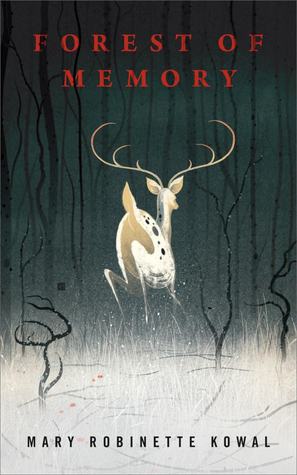
Mini-Review: Forest of Memory by Mary Robinette Kowal

Mary Robinette Kowal’s Forest of Memory is one of my favorite of Tor.com’s novellas to date. It’s an interesting exploration of memory and the authenticity of experiences in a world in which nearly all human experience is filtered through a technological lens. Smartly, Kowal doesn’t dwell much on the actual future technology she’s imagined, and she also avoids the pitfalls of attempting to examine the broader societal effects of that technology. Instead, she focuses squarely on a single character and her personal experiences in order to tell a singularly excellent story.
The first-person point of view is likewise a good choice, and Katya is an engaging narrator. The peculiar method in which the story is being told—from Katya’s point of view, in hindsight, ostensibly as Katya types the story on a typewriter for a client—is clever but not too precious. The occasional misspellings and typos are just enough to be noticeable to a keen reader, but not so obtrusive that they detract from the reading experience. Instead, they lend character to the story and add a small sense of realism to an otherwise somewhat dreamlike narrative.

I haven’t read much of Kowal’s fiction, just this and her marvelous novelette “The Lady Astronaut of Mars,” and I’m not sure I’ll ever get around to reading her Glamourist Histories fantasy series, but I will definitely be watching for more of her science fiction in the future.

Weekend Links: April 9, 2016

I wasn’t planning for this to be such a spare week in terms of posts, but I didn’t realize there wouldn’t be any Supergirl or Lucifer, and I didn’t have anything else in particular planned. That’s all going to change soon, though. I’m still working out exactly what my next project is going to be and sorting out a plan for getting through all the reading I want to do, but basically all the shows I watch and write about will be ending about the time Game of Thrones starts, so for at least a couple of months that garbage show will be the only major thing I have to plan around. In the meantime, this has been a somewhat exciting week in the SFF world.

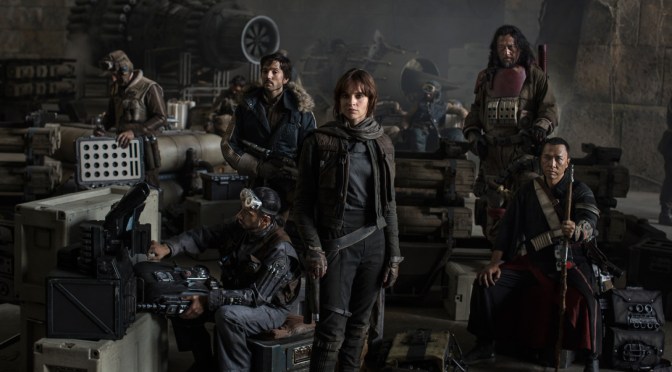
Probably the biggest news of the week is the release of a teaser trailer for the new Star Wars movie, Rogue One:

It looks amazing, and I for one am thrilled to see a new original story set in the Star Wars universe.

Some dude made a very creepy robot that looks like Scarlett Johansson.

A woman spent over two years freehand stitching the covers of Frank Herbert’s Dune.

Fantasy Cafe’s Women in SF&F Month has begun.

Lin-Manuel Miranda talked about books at the NYT, and it’s totally unfair that one man can be so charming.

WebUrbanist collected photos of a bunch of places I want to live.

The Millions tells us what is the deal with J.R.R. Tolkien’s The Story of Kullervo.

LitHub interviewed Ursula K. LeGuin.

There’s a new interview with Ken Liu at HuffPo.

Jeff VanderMeer’s Entertainment Weekly piece on editing The Big Book of Science Fiction is a must-read.

I haven’t read much Edgar Rice Burroughs–just A Princess of Mars, actually–so this piece about his Tarzan stuff was very interesting.

Winter is Coming has ranked all fifty episodes of Game of Thrones.

Meanwhile, Fandom Following talks about the Game of Thrones sexism debate.

Seanan McGuire’s Every Heart a Doorway came out on Tuesday, and it’s wonderful. Her piece about how she came to the idea of it is excellent as well.

The Establishment takes a look at why cutting edge sci-fi is often penned by marginalized writers.

This is so much of why I love Bob’s Burgers.

The finalists for the 2016 Prometheus Awards have been announced.

Apparently Dragon Con is getting in on the awards game.

Finally, I read two excellent pieces of short fiction this week:

iZombie: “Reflections on How Liv Used to Be” sets things up for a great season finale

After last week’s slightly frenetic episode and with a two-part finale scheduled for next week, I rather expected “Reflections on How Liv Used to Be” to have a lot more going on than it turned out to. Instead of another frantically-paced hour of setup for the season finale, however, this episode actually slows things down considerably and takes its time dealing with the fallout from last week before ramping back up and ending on a significant cliffhanger.

Probably the biggest event of last week’s episode was Ravi’s confrontation with Major at the end of the episode, which was further complicated with Major’s return to zombie form, and these two get a good amount of screen time this week as they work through their situation. When Major wakes up, Ravi is waiting for an explanation about the Chaos Killer stuff, and that part of things is sorted relatively quickly, though both men agree that they won’t tell Liv, at least for now. This makes their most pressing issue Major’s rezombification and possibly impending death. Major’s immediate need for brains is filled with the last of the happiness brain from a few episodes ago, which is great on several levels, and it’s interesting to see how Major, the guy who at one point would rather have died than be a zombie, is handling it now—better, obviously, than when he’d just had the whole zombie thing sprung on him, but also, importantly, better in a way that seems to indicate real character growth on his part.

The bad news, of course, is that the zombie cure that Ravi has currently developed has some very negative side effects. Blaine still hasn’t gotten his memories back, and is struggling to just make it through his days. On the one hand, this generates one of the best scenes of the episode, when Ravi tells Blaine all the evil shit he’s done and then Major walks in and introduces himself absurdly cheerfully. On the other hand, it’s starting to be actually difficult to watch as Blaine goes through the motions of his life and is shamelessly taken advantage of by Don E and Chief. I mean, there’s no way that this is going to end well for either of those two, because surely Blaine’s memories are going to come back sooner or later, but it’s tough to watch in the meantime.

The case of the week is somewhat forgettable, functioning primarily as a way to give us a look at something like Liv’s pre-zombie normal. Unfortunately, that character work is overshadowed by the ways in which all the show’s various storylines are being systematically tied together. I’m not sure what’s going to happen with Drake, but his colleague in Vice plays a major role in this episode and provides several important pieces of information. He even mentions the z-word in connection with the Utopium trade, though he scoffs at the idea. Clive is so close—and yet so far away—to putting it all together, but this weeks’ award for good detective work has to go to Dale, who finally gets a break in her hunt for the Chaos Killer.

The bait and switch ending of this episode is a masterful piece of high tension television. Major is planning to purposefully infect Vaughn with zombieism, but Vaughn is being tipped off about Major’s failure to actually kill any of the people he’s been supposed to murder. Just as that situation is about to erupt, Dale makes her move, and the episode ends with Major facedown on the floor being arrested. There are several things going on at once here, and all of them are exciting. The last couple episodes have been steadily chipping away at various characters’ secrecy and connecting all of the show’s numerous plots to each other. Next week, we get to see just how much everyone figures out. It seems as if the only way out of some of these situations is going to be total transparency and honesty, but that literally never happens on television. I can’t wait to see what happens instead.

Miscellaneous thoughts:

  • “Can we play hooky and follow him around all day?”
  • Don E and Chief playing bluegrass was delightful.
  • Peyton is back to hassle Blaine about flaking on helping her nail Mr. Boss for doing so much crime.
  • Vaughn has Rita locked up in the basement, and she looks like she could cheerfully murder him, which I consider a likely event by the end of next week’s finale.
  • Robert Buckley has teased a character death next week. My money would be on Dale or Drake, but this could also be a good time to off Major, who has had a great arc this season and is probably at his most likeable since the beginning of the show, making his death the most potentially impactful. Major’s death could also have been foreshadowed this week with his blithe attitude about the cure and his seemingly sanguine feelings about being a zombie.

Book Review: Every Heart a Doorway by Seanan McGuire

Every Heart a Doorway is a sort of interesting twin to The Girl Who Raced Fairyland All the Way Home, which I reviewed yesterday. In many ways, they are very similar books, both being fairly sophisticated examinations of the children’s portal fantasy genre, but Seanan McGuire’s novella of course has sharper edges and a more nuanced message than Catherynne M. Valente’s middle grade masterpiece. Like Valente’s series, however, Every Heart a Doorway is a book that is absolutely necessary for its audience, which I would say is primarily teens and young adults, but ought to include basically everyone. It’s a book that many people will identify with, and those who don’t see themselves in its pages could probably stand to learn a few things from it.
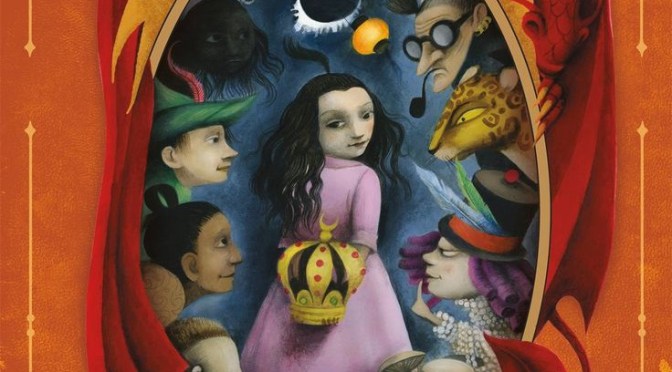
While Valente offers her heroine the opportunity to stay in the world she has found a home in, McGuire turns her eye to the young people who don’t get to stay. Eleanor West is one such child, and she runs a boarding school for as many others like herself that she can collect. It’s here that main protagonist Nancy finds herself when she’s sent home from an underworld that she loved because the Lord of Death wanted her to be sure before she committed to staying forever. At Eleanor’s school, Nancy meets other young people like herself and learns more about the different possible worlds while she waits and hopes for her door to reappear. Most of all, Nancy learns that most people never do find their door again, and much of the book is dedicated to exploring the different ways in which Nancy and the other characters are dealing with this reality.

Whereas Valente’s Fairyland ultimately delivers a fantasy in which one can find harmony and unity by integrating different aspects of oneself and changing one’s world to suit, McGuire offers a very different solution to problems of belonging, predicated on the sad truth that sometimes, if we can’t change the world we live in, we have to leave it behind. It’s a bittersweet lesson, and it comes at a steep price, but it also comes with the assurance that it’s okay to leave. In some ways, it’s the ultimate “it gets better” message, but what McGuire gives us in Every Heart a Doorway is something much deeper and more nuanced than that platitude. For Nancy and her friends, things don’t always get better or easier, but they nonetheless have the strength to find joy and meaning in their lives regardless.

Every Heart a Doorway is a book about making the best of things, but it’s also a book about not being afraid to take chances and not feeling guilty about doing what is best for yourself. It encourages a sort of healthy selfishness that more people—specifically marginalized people, who are often expected to be absurdly self-sacrificing—ought to cultivate. There are no martyrs here. There are tragedies, but not inevitable ones, and the overall message is one of hope, though a much more complicated and ambiguous sort of hope than in Valente’s series. This is an altogether more grown-up book, and in all the best possible ways.

This review was based upon a copy of the book received from the publisher for review through NetGalley.

Book Review: The Girl Who Raced Fairyland All the Way Home by Catherynne M. Valente

Catherynne M. Valente’s first Fairyland book, The Girl Who Circumnavigated Fairyland in a Ship of Her Own Making, established this series from the very start as a superbly written and sublimely beautiful story for children, and The Girl Who Raced Fairyland All the Way Home is a totally fitting conclusion to the story of September and her friends. It would perhaps be too much to ask for every installment of the series to be as good as the first one, and the fourth one (The Boy Who Lost Fairyland) stood out as decidedly different from the rest. Still, it did help to set up this finale, which is every bit as good—and even a little more polished—as the rest of the series.

As with all of Valente’s previous Fairyland books, The Girl Who Raced Fairyland All the Way Home is both remarkably beautiful and remarkably fun to read. Having started off reading these books to my daughter as bedtime stories before she got too grown up to let me do it (and I’m convinced the only reason I got to keep reading to her until past her eleventh birthday was this series), I always suggest that those who can read the book aloud to the nearest child in their life, and that’s as true of the last volume of the series as it was of the first. Valente’s way with words only gets more refined with every novel she produces, and her gift for gorgeous near nonsense is on full display here.

Spoilers below this sentence. Continue reading Book Review: The Girl Who Raced Fairyland All the Way Home by Catherynne M. Valente

Wynonna Earp: The Good, the Bad, and the Ugly of “Purgatory”

Friday saw the premier of another new show on SyFy, but Wynonna Earp arrived to little fanfare. The thing is, it’s not a bad little show, as far as I can tell. Sure, it’s got some kinks that need to be worked out, but there’s nothing wrong with it that justifies the nearly complete lack of promotion I’ve seen for the show. It doesn’t even seem to be getting reviewed by any of the regular places that I go to for television reviews, and that doesn’t bode well for the show going forward. We’ll see. In the meantime, let’s pick it apart a little.

Good: Showrunner Emily Andras also ran Lost Girl, another show that I liked quite a bit.

Bad: Andras describes Wynonna Earp as “Frozen meets Buffy which is just unfortunate-sounding. I know that what she means is that it’s a show that centers on the sometimes complicated relationship between sisters while they fight demons, but there have got to be better examples of sister-driven media than Frozen, and the last episode of Buffy: The Vampire Slayer aired almost fifteen years ago. It’s starting to just be sad that Buffy is still the go-to reference for girl-powered urban fantasy shows.

I mean, SERIOUSLY?

Ugly: While I haven’t read the comics, the source material looks like garbage. The cover art alone makes me want to go take about fourteen showers.

Good: That said, the show doesn’t reproduce the grossly objectifying imagery of the comics, and Wynonna is dressed perfectly sensibly so far.

Bad: The aesthetic of the show is, still, nothing particularly special, however. Wynonna is in the mold of other urban fantasy anti-heroines like Bo or Faith or, more recently, Jessica Jones, to whom I’m sure she’ll be compared ad nauseum. The rest of the characters likewise fall neatly into the looks of well-established genre tropes.

Ugly: The special effects in the first episode are mostly terrible. Wynonna’s first encounter with a demon, in particular, is hideous to look at, with everything obscured by a sort of blurry gloom that doesn’t manage to convey much of anything other than that the production of the episode was fairly cheap and lazy. I would say that this forest scene owes something to Ash vs. Evil Dead, but Wynonna Earp doesn’t have even a fraction of that show’s panache.

Good: Melanie Scrofano seems well-cast as the eponymous lead character, playing her as a decent amalgam of Jessica Jones and Lost Girl’s Bo, and she’s nicely supported so far by Dominique Provost-Chalkley as younger sister Waverly.

Good: We don’t get to see much of him, but Tim Rozon looks great as Doc Holliday. I can see the fanfic already.

Bad: Shamier Anderson is a little wooden and somewhat superfluous as Agent Dolls. The only bright side is that I think this is a bad writing problem, not a bad acting problem, which means that it would be easy for things to improve for Dolls as the show goes on.

Ugly: With the exception of Anderson, the cast is entirely white. In 2016, there’s really no excuse for this sort of tokenism.

Good: The first episode works nicely as a neatly self-contained origin story for Wynonna, with no mystery about or obfuscation of her history. The whole premise of the show is very straightforward, there’s a coherent mythology so far, and Wynonna Earp seems to be very aware of what it is. Some might consider it unambitious, and its admittedly someone derivative, but I find it refreshingly unpretentious.

Bad: The flip side of the above point is that there’s not a lot going on under the surface, at least not yet. Wynonna and Waverly are engaging enough, but they aren’t exactly compelling in this first episode.

Ugly: While the revenants that Wynonna is tasked with killing are supposedly part of a curse against her family, what they apparently really want to do is murder girls in general. Yuck. The brutal murder of Wynonna’s fell bus rider, Kiersten, in the first minutes of the episode was later confirmed to be at least the third such murder in recent months.

Good: The big fight scene at the end of the episode mostly worked, and there was even a glimmer of style (and none of the very silly special effects of the earlier scene) on display as Wynonna finally accepts her destiny and takes up the Peacemaker to step into her Chosen One role. It’s a bit of same old story at work, but it feels earned here, the end result is satisfying, and the episode ends exactly where it ought.

My final verdict?

Wynonna Earp is fun so far, and with twelve more episodes in the first season there’s plenty of room for it to get better. I’m not always a huge fan of urban fantasy serials like this, but the Western setting is just fresh enough to be a nice change of pace, and Wynonna is a type of heroine that I generally like. It’s not a show without flaws, but I can deal with some cheesy production values if the characters and story are good, and so far those aspects of the show are, overall, promising.

Wynonna Earp airs Fridays on SyFy at 10/9c.